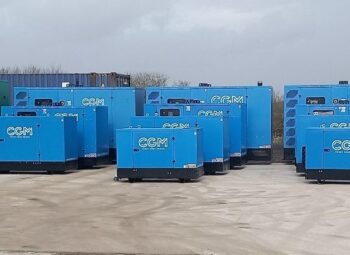

Used generators for sale in Ireland are an excellent choice for homeowners, farmers, construction companies and businesses that need a dependable electricity supply without the higher upfront cost of purchasing new equipment. Whether you require backup power for your home, electricity for agricultural machinery, a generator for a workshop or a power source for an industrial facility, choosing the right used generator can help you meet your requirements while managing your budget.
At PowerGen, also known as On Site Power Generation Ltd., we understand the importance of having suitable power generation equipment for different working environments. Generators can support essential operations during electricity interruptions, provide power at locations without a mains connection and help businesses maintain productivity when a reliable electricity supply is required.
Why Choose Used Generators for Sale in Ireland?
When comparing power generation equipment, purchasing a used generator can offer a practical alternative to buying new. Generators are available in different capacities, configurations and specifications, making it possible to find equipment that suits a particular application and budget.
For many customers, the main advantage is the opportunity to obtain suitable power generation equipment at a potentially lower purchase price. This can be particularly important for small businesses, farms and contractors that need reliable power but must carefully manage their equipment expenditure.
Choosing a used generator can offer several benefits.
1. Lower Initial Purchase Cost
One of the main reasons customers search for used generators for sale in Ireland is affordability. New generator sets can represent a substantial investment, particularly when higher power outputs are required for industrial facilities, agricultural operations or commercial buildings.
A suitable used generator may provide the required capacity at a lower initial cost. This can help businesses allocate their budgets to other operational needs, equipment upgrades or maintenance.
2. Practical Backup Power for Essential Equipment
Unexpected electricity interruptions can affect homes, farms and businesses. Refrigeration, pumps, lighting, ventilation systems and selected machinery may depend on a consistent electricity supply.
A properly sized used generator can provide backup power for essential equipment when mains electricity becomes unavailable. The equipment must be selected according to the electrical load it needs to support, including any additional power required when motors or machinery start.
For businesses that rely on electricity to maintain daily operations, an appropriately selected backup generator can form an important part of their contingency planning.
3. Suitable Options for Different Applications
The requirements of a household are different from those of a farm, workshop or manufacturing facility. Fortunately, used generators are available in a range of capacities and configurations, depending on the equipment currently offered for sale.
Customers may be looking for a generator to support essential household appliances, agricultural equipment, construction tools, commercial premises or industrial machinery.
When comparing options, consider the generator’s rated output, fuel type, voltage, phase configuration and control system. These specifications help establish whether the unit is appropriate for the intended application.
4. Potentially Faster Equipment Availability
If you need a generator for an upcoming project or to replace existing equipment, an available used generator may be a practical option compared with waiting for a new model to be ordered.
Availability depends on current stock, the generator’s condition, any preparation or servicing required and delivery arrangements. Always confirm these details before making a purchasing decision.
5. A Practical Approach to Equipment Reuse
Purchasing suitable used equipment can extend the useful life of machinery and reduce the demand for new manufacturing. This may be an additional consideration for customers looking to make practical use of existing equipment.
The generator’s actual condition remains essential. A suitable unit should be assessed for safety, performance and maintenance requirements before it is put into service.
Types of Used Generators Available for Different Needs
Before purchasing a generator, it is important to understand the main options and how they differ. The right choice depends on where the generator will operate, how much electricity is required and whether it will be used for occasional backup or regular power generation.
Used Diesel Generators for Sale
Used diesel generators for sale are often considered by customers who need power for agricultural, construction, commercial and industrial applications. Diesel generator sets combine an engine, alternator and associated control equipment to produce electricity for connected loads.
Depending on their specifications, diesel generators may be suitable for standby applications or more frequent operation. Their suitability depends on the engine condition, maintenance history, operating environment and manufacturer’s operating recommendations.
When purchasing a used diesel generator, check the engine for signs of oil leaks, abnormal noise, excessive exhaust smoke and inconsistent running. The fuel system, cooling system, lubrication system and starting system should also be assessed.
Used Generators for Agricultural Applications
Agriculture is an important application for power generation equipment. Farms may depend on electricity for water pumps, livestock ventilation, lighting, refrigeration, workshops and other essential systems.
When mains electricity fails, interruptions can affect normal farm operations. A suitable backup generator can help provide electricity to selected equipment while the mains supply is unavailable.
Used Generators for Construction Sites
Construction sites often require electricity for tools, lighting, site offices, pumps and other equipment. In some locations, a permanent mains connection may not be available or may not provide sufficient capacity for the work being undertaken.
A suitable generator can provide a temporary electricity source for construction operations. Used equipment may help contractors manage their budgets when purchasing a generator for a particular project or recurring site requirements.
Before selecting a generator, calculate the combined power requirements of the equipment that will operate simultaneously. Tools with electric motors can draw additional current during start-up, so the rated output must allow for these demands.
Other considerations include the generator’s portability, enclosure, noise level, operating hours and accessibility for refuelling and servicing.
Used Generators for Commercial and Industrial Businesses
Commercial and industrial facilities can experience operational disruption when electricity is interrupted. Depending on the business, a loss of power may affect production equipment, refrigeration, communications, lighting, security systems or other essential services.
A suitable used generator can provide backup power for selected systems or support operations where a mains connection is unavailable.
How to Choose the Right Used Generator
Finding the right equipment involves understanding your electricity requirements and comparing the available generators against those needs. The following factors can help you make a more informed decision when exploring used generators for sale in Ireland.
1. Calculate Your Power Requirements
Start by identifying all the equipment you intend to operate using the generator. This may include household appliances, workshop tools, pumps, motors, lighting or industrial machinery.
Determine the running power required by each item and identify which items may need to start simultaneously. Motors and compressors can require significantly more power during start-up than during normal operation.
You should also decide whether the generator needs to power an entire building or only selected essential circuits.
A generator that is too small may struggle to start equipment, experience overloads or fail to supply the required load. An unnecessarily large unit may increase purchasing and running costs.
A generator specialist can help calculate the appropriate capacity based on your equipment and operating conditions.
2. Understand kW and kVA Ratings
Generator capacity is commonly expressed in kilowatts (kW) and kilovolt-amperes (kVA). Although these ratings are related, they describe different aspects of electrical power.
Kilowatts represent real power, while kilovolt-amperes represent apparent power. The relationship depends on the power factor of the electrical load.
When comparing used generators, make sure you understand whether the advertised rating refers to standby power, prime power or another rating defined by the manufacturer. These ratings are not necessarily interchangeable.
3. Check Engine Condition and Operating Hours
The engine is one of the most important components of a diesel generator. Before purchasing, ask about the engine’s maintenance history, operating hours and any previous repairs.
Operating hours can help indicate how much a generator has been used, but they do not tell the complete story. A well-maintained generator with more operating hours may be in better condition than a poorly maintained unit with fewer hours.
Look for evidence of regular oil and filter changes, cooling system maintenance and other servicing recommended by the manufacturer.
If possible, have the engine inspected by a qualified technician who can identify potential mechanical issues and advise whether additional maintenance is needed.
4. Inspect the Alternator and Voltage Regulation System
The alternator converts mechanical energy from the engine into electrical energy. Its condition is therefore essential to the generator’s performance.
Check whether the alternator has been inspected and whether its electrical output has been tested. Where appropriate, confirm that the generator maintains suitable voltage and frequency under the intended operating conditions.
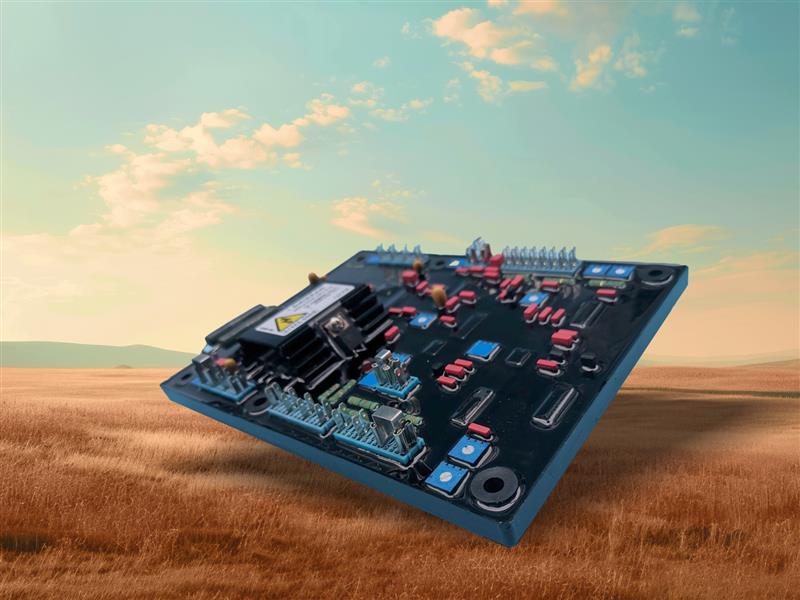
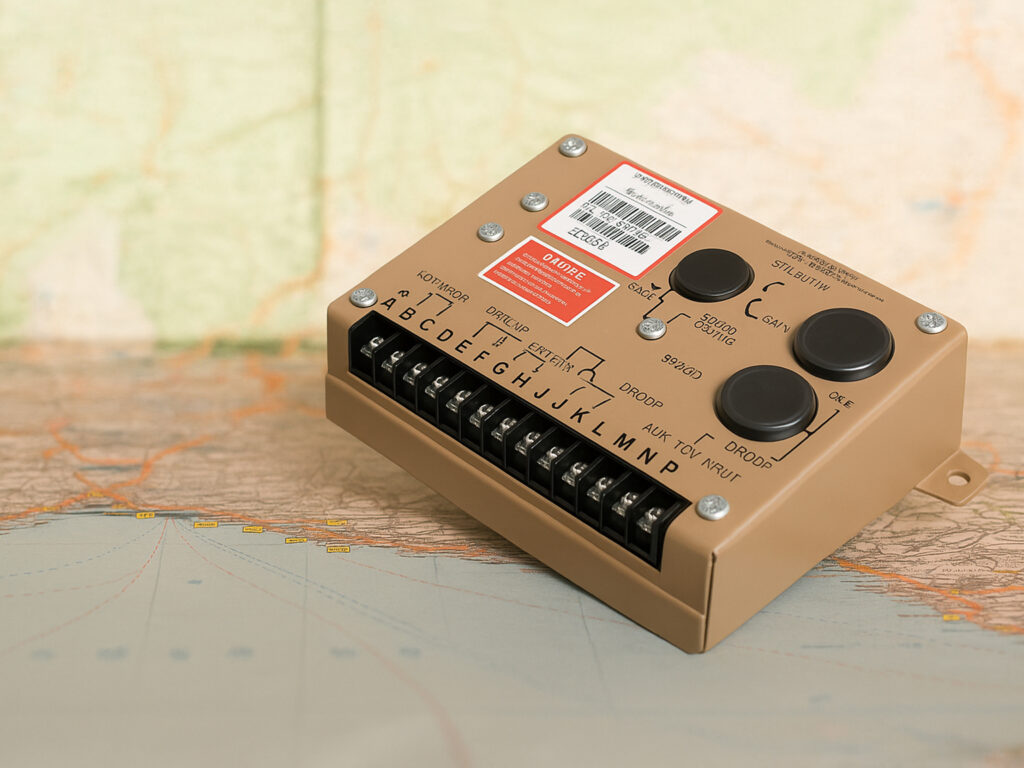
The automatic voltage regulator, commonly called an AVR, is another important component in many generator systems. It helps regulate output voltage as electrical loads change.
A fault in the voltage regulation system can affect the power supplied to connected equipment. Ask about the condition of the AVR and any related electrical components before purchasing a used unit.
5. Review the Control Panel and Safety Features
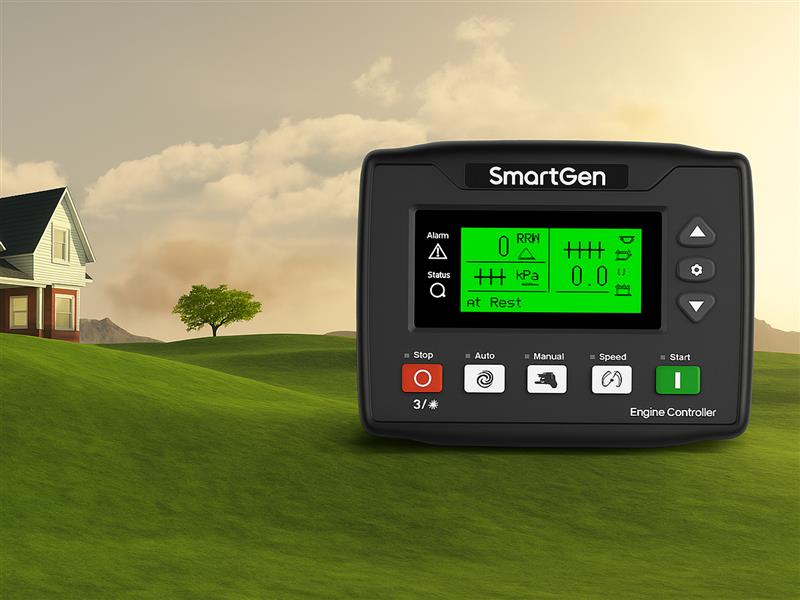
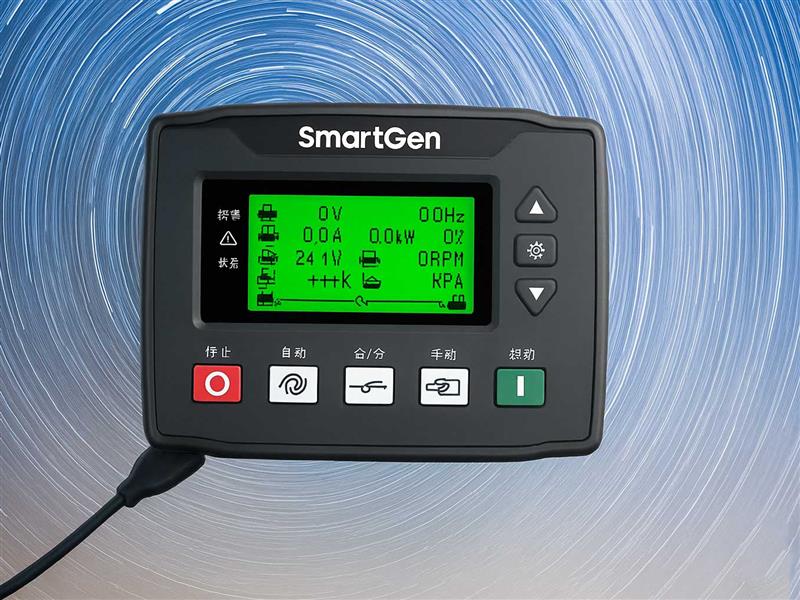
A generator’s control panel provides information about operation and may include monitoring, alarms, shutdown functions and operating controls.
Depending on the model, the panel may display voltage, frequency, engine speed, oil pressure, coolant temperature and other operating information.
When assessing a used generator, check whether the control panel functions correctly and whether any alarms or fault indicators are present. Confirm that the generator’s protection and shutdown systems are suitable for its intended application.
If replacement parts or specialist controller support may be needed, check their availability before committing to the purchase.
Used Generators for Home Backup in Ireland
Homeowners looking for backup power may consider a used generator to help maintain selected household services during an electricity interruption.
The first step is to identify which circuits are most important. Some households may only need to support refrigeration, lighting, communications and essential controls, while others may have additional electrical requirements.
Heating systems, pumps and other motor-driven equipment may have particular starting and running power demands. These should be included in the capacity calculation.
Understanding Generator Maintenance After Purchase
Buying a used generator is only the first step. Regular maintenance helps keep the equipment in suitable operating condition and can reduce the likelihood of unexpected problems.
The maintenance schedule should be based on the manufacturer’s instructions, operating hours and the environment in which the generator is used.
Engine Servicing
Engine oil and filters should be changed at the recommended intervals. Fuel filters, air filters and other service items should also be inspected and replaced when required.
Correct lubrication and clean fuel are important for engine operation. Any leaks, unusual noises or changes in exhaust behaviour should be investigated by a qualified technician.
Cooling System Checks
Generators operating for extended periods need an effective cooling system. Check coolant levels and inspect hoses, connections and radiators for leaks, blockages or damage.
Cooling system maintenance is particularly important when the generator operates under demanding loads or in warm, dusty environments.
Battery and Starting System
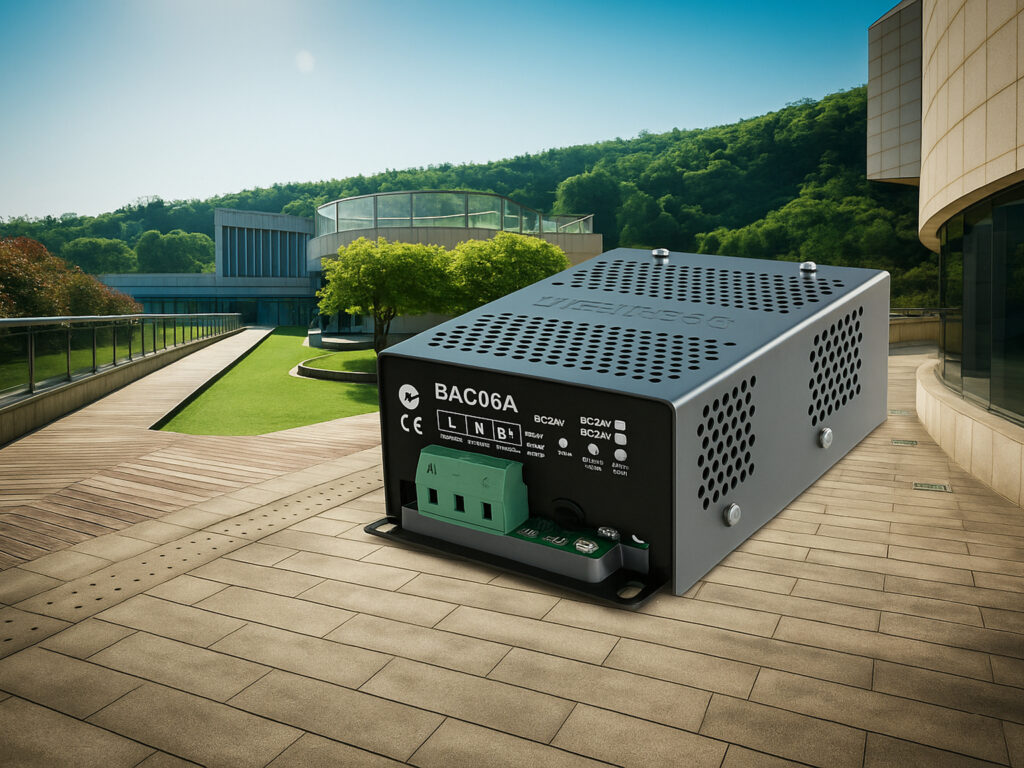
The starting battery should be inspected regularly, especially on standby generators that may remain unused for long periods.
Check battery condition, connections and charging arrangements according to the manufacturer’s recommendations. A weak battery can prevent a generator from starting when backup power is needed.
Electrical Inspection and Testing
The alternator, control panel, wiring and protective systems should be checked as part of an appropriate maintenance programme.
Standby generators should be tested periodically in accordance with manufacturer guidance and the requirements of the installation. Where necessary, qualified technicians can perform operational checks and load testing.
Keeping accurate maintenance records can help track servicing, identify recurring problems and support better equipment management.
Why Choose PowerGen for Used Generators in Ireland?
Choosing a generator supplier involves more than finding a suitable price. Buyers also need clear information about equipment specifications, intended applications and the requirements involved in putting a generator into service.
When exploring our used generators for sale in Ireland, customers can review the available options and contact our team to discuss their power requirements.
We recognise that different applications need different solutions. A generator intended for a farm may have different capacity and installation requirements from a generator supporting a workshop, commercial property or industrial operation.
When enquiring, it helps to provide the following information:
- Your intended application, such as home backup, farming, construction or business use.
- The approximate power output required in kW or kVA.
- Whether you require single-phase or three-phase electricity.
- Your preferred fuel type, if applicable.
- Whether the generator will be used for standby or regular operation.
- Any specific installation or operating constraints.
This information helps establish which specifications are relevant and whether a particular generator is likely to meet your needs.
Availability, specifications, condition and pricing vary between units. Contact PowerGen directly to confirm the details of any generator you are considering.
Used Generators for Sale in Ireland for Farms, Homes and Businesses
Ireland’s homes, farms and businesses can have very different electricity requirements. Some customers need a generator to support essential equipment during an outage, while others require a power source for a remote location or a specific project.
When comparing used generators for sale in Ireland, consider the generator’s condition, rated output, fuel consumption, maintenance requirements and suitability for the intended duty. Make sure that any proposed installation can be completed safely and in accordance with the relevant requirements.
It is also sensible to plan for future servicing and spare parts. A generator that meets your needs today should remain practical to operate and maintain throughout its useful life.
PowerGen can help you explore available power generation equipment and discuss the specifications relevant to your application.
Frequently Asked Questions About Used Generators for Sale in Ireland
1. Where can I find used generators for sale in Ireland?
You can explore the PowerGen Used Generators page to review the available range and enquire about suitable equipment. Current stock, specifications and pricing may vary. Contact PowerGen with your required power output and intended application to discuss which options may be suitable.
2. Are used diesel generators reliable?
A used diesel generator can provide dependable service when it is in suitable condition, correctly sized and maintained according to the manufacturer’s recommendations. Before purchasing, review its service history, engine condition, alternator, control panel and operating hours. Professional inspection and appropriate load testing can help assess its suitability.
3. How much does a used generator cost in Ireland?
The price of a used generator depends on its power output, make, model, age, operating hours, condition and included equipment. Larger industrial units may cost considerably more than smaller generators. Servicing, delivery, installation and commissioning can also affect the total cost, so compare the complete investment rather than the purchase price alone.
4. What size of used generator do I need for my home or business?
The required size depends on the electrical equipment you need to operate simultaneously and the additional starting power required by motors or other demanding loads. Decide which circuits or machinery must remain operational, calculate the load and consult a generator specialist to confirm the appropriate kW or kVA rating.
5. What should I inspect before buying a second-hand generator?
Check the engine, alternator, control panel, service history, operating hours, battery, cooling system and visible electrical connections. Ask about previous repairs, known faults and any completed performance testing. Confirm that the generator’s voltage, phase, frequency and rated output match your application before proceeding.
6. Can a used generator be used for farm backup power?
Yes, a suitable used generator can support selected farm equipment, including pumps, lighting, ventilation and other essential electrical systems. The generator must have sufficient capacity for the running and starting loads. Installation, changeover equipment, ventilation, fuel storage and maintenance should be planned to ensure safe operation.
7. Is a used generator suitable for a construction site?
A used generator may be suitable for a construction site when its capacity, configuration and condition meet the project’s requirements. Check the power demands of the tools and machinery, the generator’s portability, environmental protection and operating limits. Confirm that electrical connections and protective equipment are appropriate for site conditions.
8. Do used generators require regular servicing?
Yes. Used generators require maintenance according to the engine and generator manufacturer’s recommendations. This may include oil and filter changes, fuel system checks, battery maintenance, cooling system inspections and electrical testing. The frequency depends on operating hours, duty and environmental conditions. Regular servicing helps identify problems before they lead to equipment failure.
9. Is it better to buy a used generator or a new generator?
The better option depends on your budget, expected operating hours, reliability requirements and the available equipment. A suitable used generator may offer a lower initial purchase cost, while a new unit may provide different warranty coverage, specifications and support arrangements. Compare condition, total ownership costs and suitability before deciding.
10. Can PowerGen help me find a suitable used generator?
PowerGen provides power generation equipment and related services. You can contact the team to discuss your required capacity, intended application and preferred specifications. The team can advise on the available options and help you establish which equipment may suit your requirements. Current stock and individual unit details should be confirmed directly.
Find the Right Used Generator with PowerGen
Choosing from the available used generators for sale in Ireland can be a cost-effective way to meet your power requirements when you select equipment that is appropriate for your application and in suitable condition.
From home backup and agricultural operations to construction sites, workshops and industrial facilities, the right generator can provide a practical source of electricity for essential equipment and operations.
Looking for used generators for sale in Ireland? Visit the PowerGen Used Generators page to explore the available range and contact the team to discuss your requirements.