
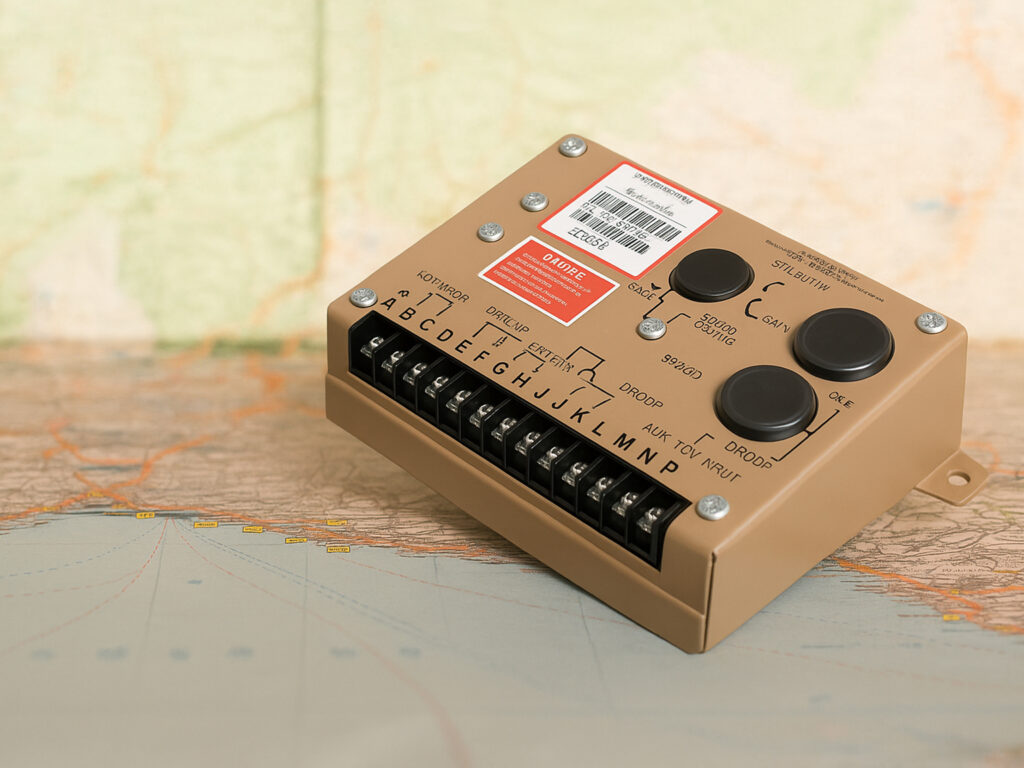
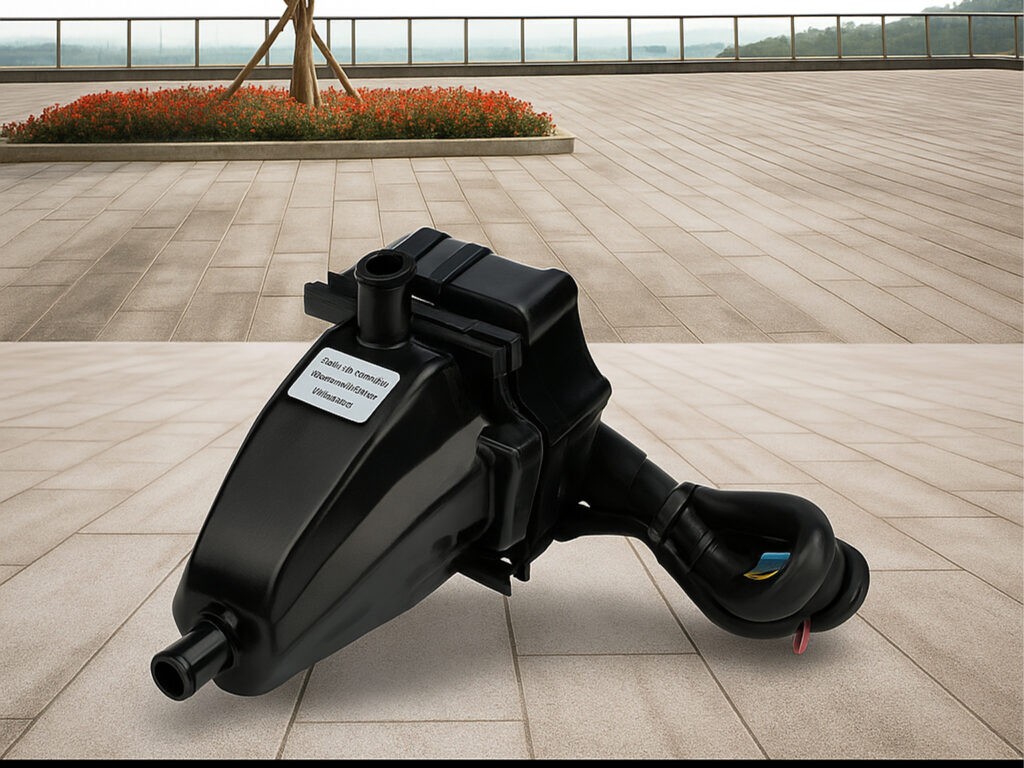

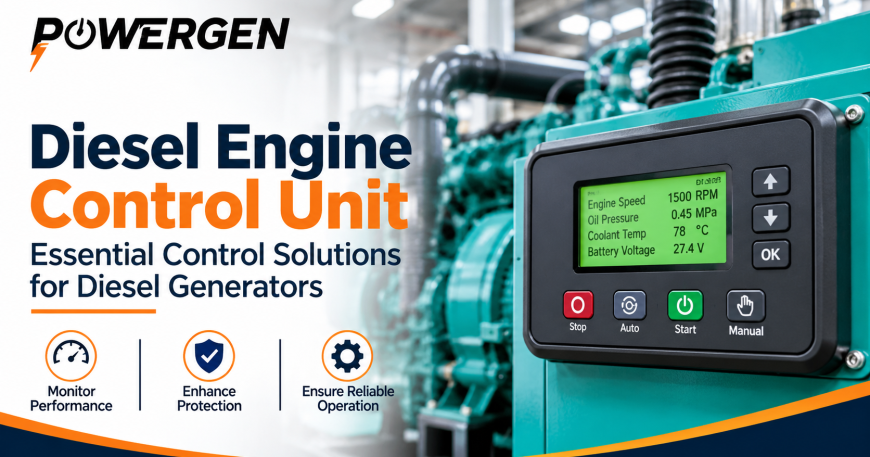
Diesel Engine Control Unit is an important component in modern diesel engine and generator systems. It helps manage engine operations, monitor performance and maintain reliable working conditions. Diesel generators are widely used across Ireland for commercial buildings, agricultural businesses, construction sites, manufacturing facilities and emergency backup power applications. To keep these generators operating efficiently, a suitable engine control system is essential. A reliable diesel engine control unit allows operators to monitor important engine parameters, identify operating problems and manage essential engine functions.
When a diesel generator operates for extended periods or supplies power to important equipment, proper engine monitoring becomes particularly important. Problems such as high engine temperature, low oil pressure, incorrect engine speed and battery voltage fluctuations can affect generator operation. A suitable Diesel Engine Control Unit for generators helps monitor these conditions and provides important operating information through an electronic control system. Depending on the engine and controller design, it can also manage fuel injection, engine speed, starting functions and protective responses.
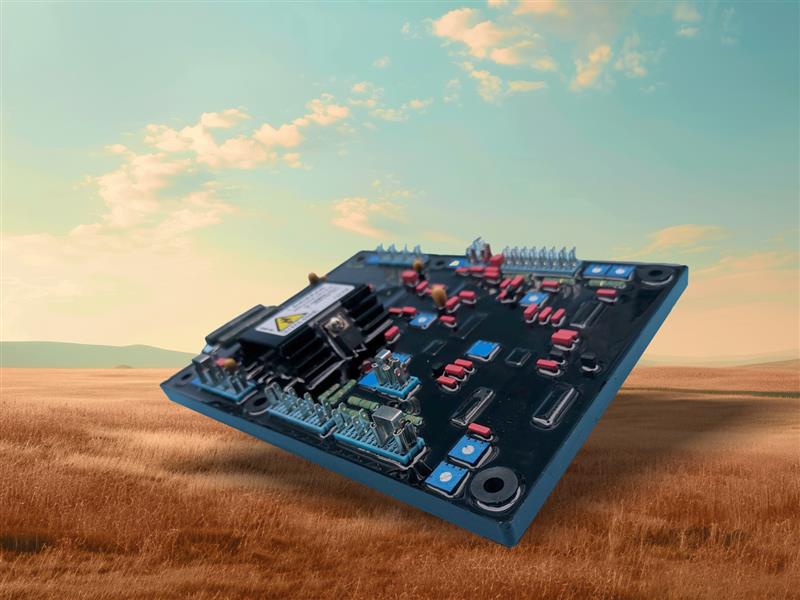
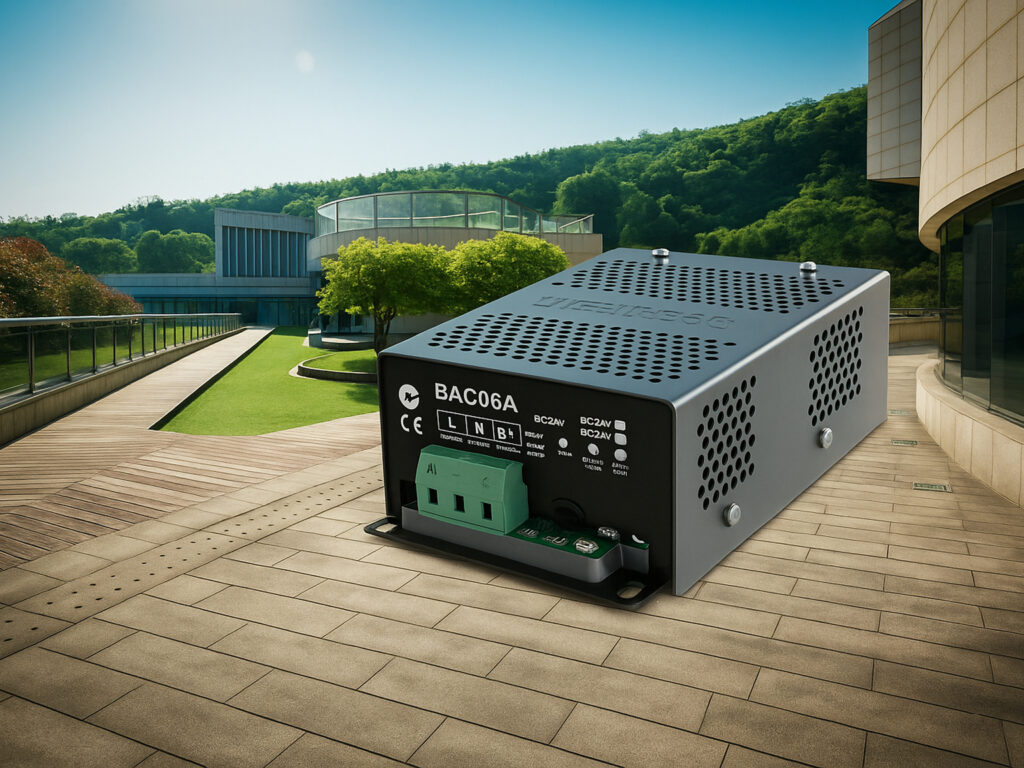
For businesses looking for dependable generator components, selecting the correct engine control equipment can make a significant difference to equipment reliability and maintenance. PowerGen (On Site Power Generation Ltd.) supplies a range of generator control products, including engine controllers, genset controllers, automatic voltage regulators, battery chargers and other essential power generation components.
What Is a Diesel Engine Control Unit and Why Is It Important?
Diesel Engine Control Unit (ECU) is an electronic device that manages and monitors different functions of a diesel engine. It receives information from sensors and electronic components connected to the engine, processes the information and controls supported engine operations according to programmed settings. In electronically controlled diesel engines, the ECU plays an important role in managing fuel delivery, injection timing, engine speed and other operating functions.
In diesel generator applications, engine control equipment is important because the engine must operate within the required conditions to produce a stable supply of electricity. The engine control system monitors information such as RPM, coolant temperature, lubricating oil pressure and battery voltage. This information helps operators understand the condition of the engine and identify potential faults before they lead to more serious problems.
A modern diesel engine control unit also supports better communication between different electronic components. Depending on the system, it can receive information through conventional sensor connections or communication protocols such as CAN J1939. This allows compatible electronic engines to share important operating information with the controller. For industrial and commercial generator applications, accurate engine monitoring helps support dependable operation and effective maintenance.
How Does a Diesel Engine Control Unit Work in a Diesel Generator?
A Diesel Engine Control Unit for diesel generators works by collecting information from connected engine sensors and processing it to monitor and manage engine operations. When the engine starts, the control system receives information about its operating condition and uses the available signals to identify whether the engine is functioning within its configured limits. The controller can display this information to the operator and activate appropriate warnings when an abnormal condition is detected.
Engine speed is one of the most important operating parameters in a diesel generator. The engine must maintain the correct speed to produce the required electrical frequency. For example, a typical four-pole generator operating at 1,500 RPM produces 50 Hz electricity. An engine control system can monitor speed information and identify conditions such as overspeed or underspeed, depending on its capabilities.
Temperature and oil pressure are also important for reliable engine operation. The control unit receives information from the relevant sensors and monitors whether the readings remain within the configured operating range. If the engine becomes too hot or oil pressure drops below the required level, the system can generate an alarm or initiate a shutdown where the appropriate protection function is available. These functions help operators identify potential mechanical problems and take corrective action.
In electronically managed diesel engines, the ECU can perform additional functions related to fuel injection and engine performance. It processes information from multiple sensors to control fuel delivery according to engine requirements. This helps the engine respond to changing operating conditions while maintaining the intended performance.
Importance of Diesel Engine Control Unit for Reliable Generator Performance
A reliable Diesel Engine Control Unit is essential for maintaining the correct operating conditions of a diesel generator. Generators used in commercial and industrial environments often need to operate under changing electrical loads. During these conditions, the engine must maintain suitable operating speed and respond correctly to the power requirements of connected equipment.
Without appropriate engine monitoring, it can become difficult for operators to identify developing problems. A rise in coolant temperature, a reduction in oil pressure or an abnormal engine speed condition may affect the performance and reliability of the equipment. A suitable engine controller provides important operating information and helps identify these conditions through monitoring and alarm functions.
Another important advantage of a diesel engine control unit is its contribution to equipment protection. Engine components such as pistons, bearings, injectors and other internal parts depend on correct operating conditions. When a monitoring system identifies an abnormal reading, it can alert the operator or activate a configured protection response. This helps reduce the risk of continued operation under potentially damaging conditions.
For businesses that depend on backup electricity, reliable engine monitoring is particularly valuable. A generator that fails to start or develops an engine fault during a power interruption can affect business operations. Choosing suitable control equipment and maintaining it correctly helps support dependable generator operation when backup power is required.
Diesel Engine Control Unit for Industrial and Commercial Applications
A Diesel Engine Control Unit for industrial generators is used in applications where accurate engine monitoring and reliable operation are important. Manufacturing companies, construction businesses, agricultural operations and commercial facilities use diesel generators to support different electrical requirements. Each application places different demands on the generator, making the selection of suitable control equipment important.
In manufacturing facilities, diesel generators may provide backup electricity for production machinery, processing equipment, lighting and essential electrical systems. Engine monitoring helps maintenance teams understand generator operating conditions and identify problems that could interrupt production. A suitable control system can also support fault identification and planned maintenance.
Agricultural businesses use diesel generators for irrigation equipment, water pumps, refrigeration systems, workshops and other farm operations. In rural locations, a reliable generator can be particularly important when the normal electricity supply is interrupted. A compatible diesel engine control unit helps monitor engine conditions and provides operators with information about the generator’s working status.
Construction sites also depend on diesel generators for temporary electricity. Machinery, tools, lighting and site facilities may require a dependable power source throughout a project. Engine controllers help operators monitor important engine readings and identify abnormal conditions during generator operation. This is especially useful when generators are working for long periods or supplying different types of electrical equipment.
Commercial buildings, warehouses, offices and industrial properties use standby generators to maintain essential operations during electricity interruptions. When a suitable generator controller is connected to an Automatic Mains Failure system, the generator can automatically start when the mains supply fails and stop when normal electricity is restored, according to the system configuration. The engine control equipment supports this process by providing essential engine monitoring and control functions.
Difference Between Diesel Engine Control Unit and Generator Controller
A Diesel Engine Control Unit and a generator controller are related components, but they do not always perform the same functions. Understanding their differences is important when selecting replacement equipment or upgrading an existing diesel generator control system.
A diesel engine ECU is primarily designed to manage the electronic functions of the engine. In electronically controlled engines, it can manage fuel injection, injection timing, engine speed and other engine-related operations. It receives information from engine sensors and uses that information to control engine performance.
A generator controller, also known as a genset controller, manages the wider operation of the generator set. It can control automatic starting and stopping, monitor generator voltage and frequency, display engine information and provide protection against different operating faults. Some generator controllers also support communication with electronic engine management systems.
In many modern diesel generators, the engine ECU and genset controller work together. The engine ECU manages the engine’s electronic functions, while the genset controller manages the complete generator operation. Choosing the correct equipment depends on the generator design, engine manufacturer and required control functions.
Choosing the Right Diesel Engine Control Unit for Your Generator
Selecting a suitable Diesel Engine Control Unit for generators requires careful attention to engine compatibility and technical specifications. Different diesel engines use different electronic systems, sensor arrangements and communication methods. A controller designed for one engine may not work correctly with another engine if the electrical connections or communication requirements are different.
Engine make and model should always be checked before selecting a replacement unit. Some diesel engines use fully electronic management systems, while others use mechanical fuel systems with separate monitoring equipment. The selected controller must support the specific functions required by the engine and generator installation.
Sensor compatibility is another important consideration. Engine temperature, oil pressure and speed information may be provided through different types of sensors and electrical signals. The controller must be suitable for the installed sensors and their operating ranges. Incorrect sensor compatibility can result in inaccurate readings, warning messages or communication problems.
Modern electronic diesel engines may also use CAN J1939 communication to share information with compatible control systems. If the engine relies on this communication method, it is important to select a controller that supports the appropriate communication protocol and configuration. The wiring arrangement, power supply requirements, available inputs and outputs should also be checked before installation.
For generator owners, selecting the correct control unit is not simply about finding a product with similar specifications. It is about choosing equipment that works correctly with the engine, sensors and complete generator system.
SmartGen Engine Controllers for Diesel Generator Applications
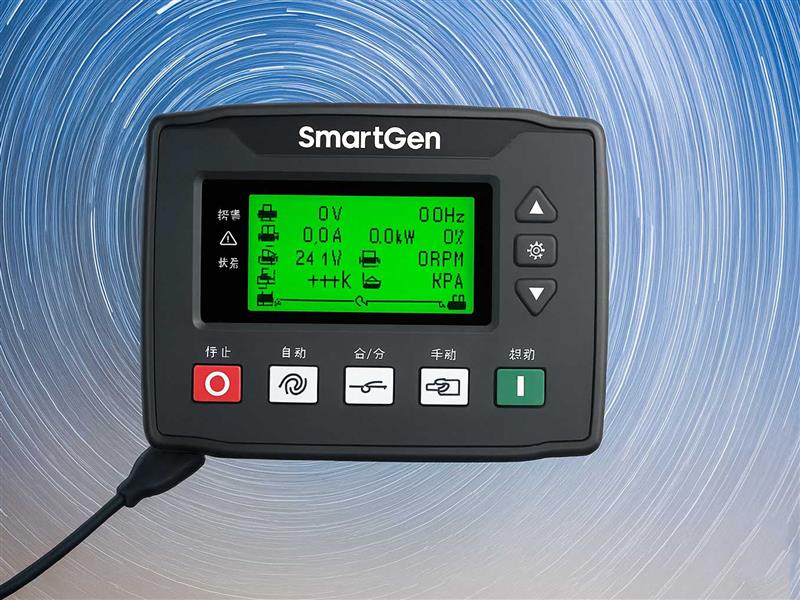
SmartGen is a manufacturer of generator control equipment offering different solutions for engine monitoring and generator management. Its control products are used in various generator applications where reliable monitoring, clear operating information and suitable protection functions are required.
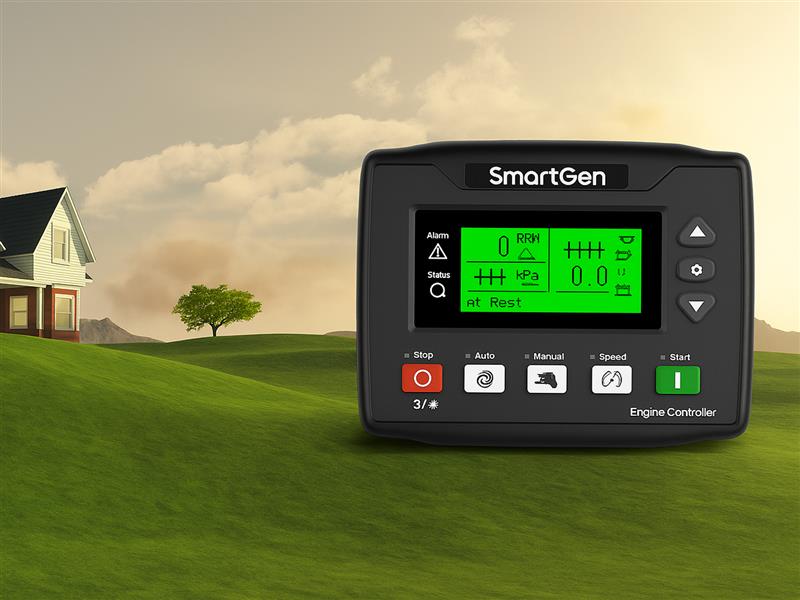
For customers searching for a Diesel Engine Control Unit or engine controller for generators, it is important to understand the specific functions required by their engine. PowerGen offers SmartGen engine control equipment, including the SmartGen HEM4100 Engine Controller.
The SmartGen HEM4100 Engine Controller is designed for engine monitoring and control applications. It supports CAN J1939 communication for compatible electronic engine systems and provides important engine operating information through its display. This makes it relevant for applications where operators need access to engine information and monitoring functions through a dedicated controller.
Customers looking for engine control equipment can explore the SmartGen HEM4100 Engine Controller available through PowerGen. You can also browse the complete Engine Controllers product category to explore other available products.
Choosing the right SmartGen controller depends on the engine model, communication requirements, electrical connections and required monitoring functions. Always check the product specifications before purchasing to ensure compatibility with your generator system.
Why Is Regular Maintenance Important for Diesel Engine Control Units?
Regular maintenance of diesel engine control equipment is important for keeping generator systems reliable. Although electronic controllers are designed for demanding operating environments, their performance can be affected by damaged wiring, loose connections, unstable power supplies, faulty sensors and environmental conditions.
A diesel engine control unit depends on accurate information from connected sensors. If a temperature sensor or oil pressure sensor develops a fault, the controller may display incorrect readings or activate unnecessary alarms. Similarly, damaged wiring or poor electrical connections can interrupt communication between the engine and controller.
Generator operators should ensure that control panels, electrical connections and associated sensors are inspected as part of the generator maintenance programme. Fault warnings should be investigated rather than repeatedly reset without identifying their cause. Correct maintenance helps maintain accurate monitoring and reduces the possibility of unexpected control system problems.
When a controller needs replacement, it is important to compare the original model number, technical specifications, communication support and wiring requirements. Using a compatible replacement helps avoid unnecessary installation difficulties and supports the correct operation of the generator.
Buy Diesel Engine Control Unit and Generator Control Equipment from PowerGen
Finding the right Diesel Engine Control Unit is important for businesses and generator operators who want dependable engine monitoring and control. The correct equipment should match the engine specifications, support the required operating functions and work with the existing generator control system.
PowerGen (On Site Power Generation Ltd.) supplies power generation products and components for different generator applications across Ireland. Our product range includes engine controllers, genset controllers, automatic voltage regulators, battery chargers, speed controllers and generator accessories. These products support different requirements for diesel generator maintenance, replacement components and control system installations.
Whether you need an engine controller for an industrial generator, a genset controller for standby power equipment or an AVR for voltage regulation, choosing the correct component is important for maintaining reliable generator performance. Our range of generator control products allows customers to explore different solutions according to their equipment requirements.
Visit PowerGen to explore our available generator products and control equipment. You can also contact our team for further information about suitable generator components and product availability.
Frequently Asked Questions About Diesel Engine Control Unit
1. What does a Diesel Engine Control Unit do?
A Diesel Engine Control Unit manages and monitors different electronic functions of a diesel engine. Depending on its design, it can control fuel injection, monitor engine speed, receive sensor information and manage engine operating conditions. In generator applications, compatible engine controllers also provide important operating information and protection functions to help maintain reliable equipment operation.
2. Why is a Diesel Engine Control Unit important for generators?
A diesel engine control unit is important because it helps monitor the engine conditions required for reliable generator operation. It provides information about engine speed, temperature, oil pressure and other operating parameters. Suitable monitoring and protection functions help operators identify problems and take corrective action before they cause more serious engine or generator issues.
3. What is the difference between an engine ECU and a genset controller?
An engine ECU primarily manages the electronic operation of the diesel engine, including fuel injection and engine performance on compatible engines. A genset controller manages the complete generator set, including automatic starting, stopping, electrical monitoring and protection. Depending on the generator design, these functions may be provided by separate or integrated control systems.
4. Can a Diesel Engine Control Unit prevent engine damage?
A diesel engine control unit can help reduce the risk of engine damage by monitoring important operating conditions and providing warnings when readings exceed configured limits. Depending on the available protection functions, it may also initiate an automatic shutdown. However, correct maintenance and timely investigation of engine faults remain essential.
5. Where can I find engine controllers for diesel generators in Ireland?
PowerGen.ie offers a range of generator control equipment, including engine controllers and genset controllers for different applications. Customers can explore the available products and review their technical specifications to identify suitable equipment. It is important to confirm engine compatibility, communication support and installation requirements before purchasing a replacement controller.
Conclusion
A Diesel Engine Control Unit plays an important role in modern diesel engine management and generator operation. It supports engine monitoring, electronic engine management and protection functions, helping operators maintain suitable operating conditions and identify potential problems. For industrial, agricultural and commercial generator applications, choosing a compatible control unit is essential for dependable equipment operation.
Whether you are replacing an existing controller or selecting control equipment for a new generator installation, always consider engine compatibility, sensor requirements, communication protocols and the functions required by your application.
PowerGen offers a range of generator control equipment and components to support different power generation requirements. Explore our engine controllers and other generator products at powergen.