
In modern power generation systems, the Diesel Engine Control Unit (ECU) is no longer just an optional component—it is the core intelligence behind efficient, safe, and automated engine operation. Whether you are running a standby generator, industrial engine, or continuous power system, investing in a high-quality ECU or engine controller is essential for performance and reliability.
If you are exploring professional solutions, platforms like Powergen Ireland offer a wide range of advanced engine controllers and genset control panels designed for real-world applications.
What is a Diesel Engine Control Unit?
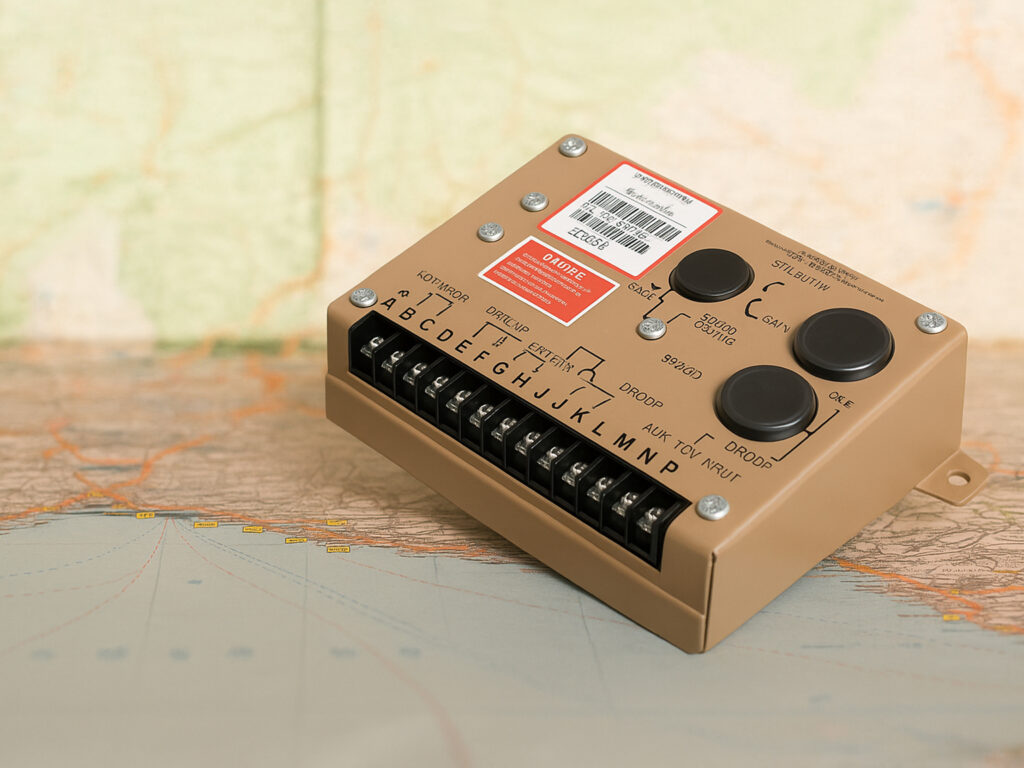
A diesel engine control unit (also known as ECM or engine controller) is an electronic system that monitors, controls, and optimizes engine performance. It processes real-time data from multiple sensors and adjusts engine parameters accordingly.
In generator systems, the ECU is often integrated into a genset controller, which not only manages the engine but also controls electrical output, load transfer, and safety operations.
How Diesel Engine Controllers Work
A modern diesel engine control unit works through three main layers:
1. Sensor Input System
The ECU collects real-time data such as:
- Engine speed (RPM)
- Oil pressure
- Coolant temperature
- Fuel levels
- Voltage and frequency
2. Processing Unit (Microcontroller)
The internal processor analyzes data and determines the correct response. It acts like the “brain” of the system, continuously making decisions based on operating conditions.
3. Output & Control System
The ECU sends commands to:
- Fuel injectors
- Actuators
- Starter motors
- Shutdown systems
This ensures optimal combustion, stable performance, and safe operation.
Key Features of Modern Engine Controllers
Modern engine controllers—like those available on the Powergen engine controller category page—offer advanced features that go far beyond basic start/stop functionality:
Intelligent Automation
Controllers can automatically start or stop the generator based on power demand or mains failure (AMF functionality).
Real-Time Monitoring
They continuously track voltage, current, frequency, temperature, and engine parameters for precise control.
Fault Detection & Protection
Modern ECUs provide instant alarms and automatic shutdown for:
- Over-speed
- Low oil pressure
- High temperature
- Over/under voltage
User-Friendly Interface
Digital displays and programmable settings make configuration and monitoring easy for operators.
Remote Monitoring & Integration
Many controllers support CANbus, Modbus, and IoT integration for remote diagnostics and control.
Engine Controllers Available at Powergen
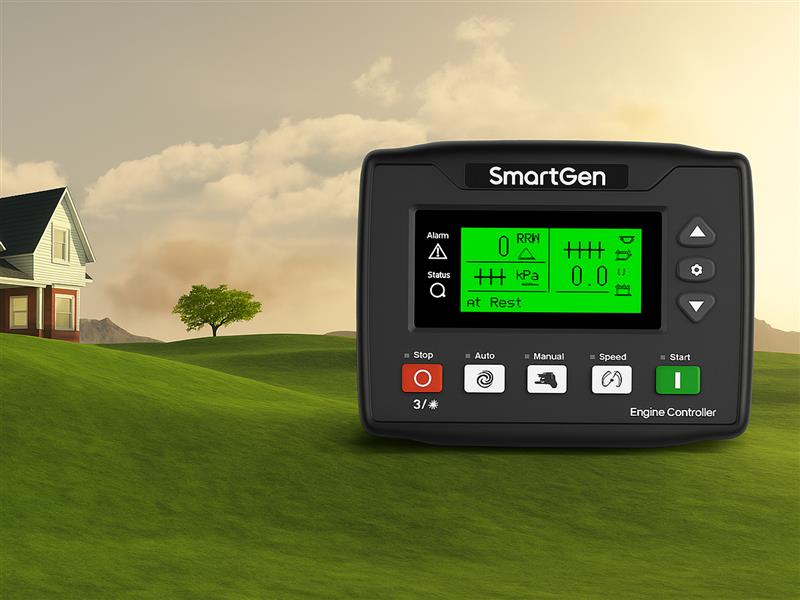
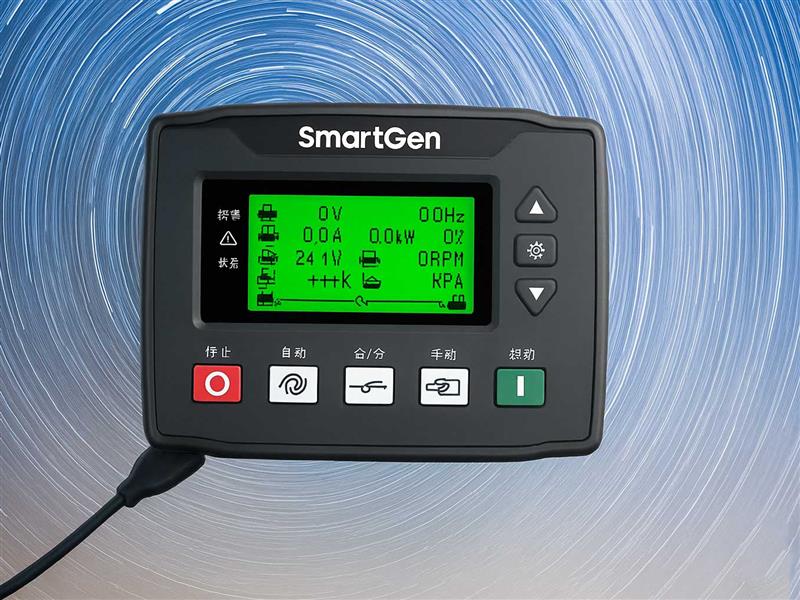
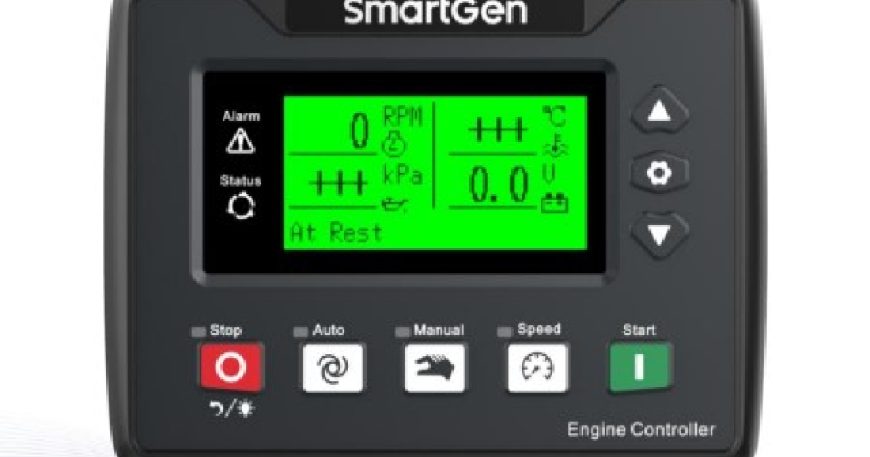
The engine controller range available on the Powergen website includes advanced SmartGen-based solutions designed for durability and efficiency.
Key Highlights of Their Engine Controllers:
- Reliable performance in industrial environments
- Easy installation with configurable parameters
- Compatibility with multiple generator types
- Real-time system monitoring and control
For example, their genset controllers provide complete automation, fault protection, and performance monitoring, ensuring safe and efficient generator operation.
Additionally, SmartGen controllers are known for:
- Strong reliability and long service life
- Accurate sensing and stable performance
- Firmware upgrade capability for future expansion
Benefits of Using a Diesel Engine Control Unit
1. Improved Fuel Efficiency
Precise fuel injection control reduces wastage and lowers operational costs.
2. Enhanced Engine Performance
The ECU ensures optimal engine operation under varying loads and environmental conditions.
3. Reduced Maintenance Costs
By preventing unnecessary running hours and detecting faults early, maintenance is minimized.
4. Increased Equipment Lifespan
Protective features reduce wear and tear on engine components.
5. Automation & Convenience
Automatic start/stop and remote monitoring reduce manual intervention.
Applications of Diesel Engine Controllers
Diesel engine control units are widely used across industries:
- Power Generation: Backup and prime generators
- Construction: Heavy machinery and equipment
- Agriculture: Tractors and irrigation systems
- Marine: Ship engines and auxiliary systems
- Industrial: Pumps, compressors, and processing units
Their ability to monitor and control both engine and generator parameters makes them essential in modern operations.
How to Choose the Right Diesel Engine Controller
When selecting a diesel engine control unit, consider:
- Generator size and type
- Required automation level (manual vs AMF)
- Compatibility with existing systems
- Environmental conditions
- Communication and remote monitoring needs
Choosing the right controller ensures optimal performance and long-term reliability.
Future Trends in Diesel Engine Control Units
The future of diesel engine control units is driven by smart technology:
- IoT-enabled remote monitoring
- Predictive maintenance using data analytics
- Cloud-based control systems
- Integration with hybrid and renewable energy systems
These advancements are transforming traditional engine controllers into intelligent energy management systems.
Conclusion
The diesel engine control unit is the backbone of modern engine and generator systems. From improving efficiency and reducing emissions to enabling automation and ensuring safety, the ECU plays a critical role in every application.
If you are looking for reliable and advanced solutions, exploring the engine controller range on Powergen can help you find the right system tailored to your operational needs.
FAQs
1. What is a diesel engine control unit used for?
A diesel engine control unit is used to monitor and control engine performance. It manages fuel injection, engine speed, and safety systems while ensuring efficient operation. In generators, it also controls start/stop functions, load management, and fault protection, making it essential for reliable and automated power generation.
2. How does a diesel engine controller improve fuel efficiency?
A diesel engine controller improves fuel efficiency by precisely regulating fuel injection timing and quantity. It ensures optimal combustion under different load conditions, reducing fuel wastage. Additionally, it prevents unnecessary engine operation, such as idle running, which further lowers fuel consumption and operating costs over time.
3. What is the difference between ECU and genset controller?
An ECU primarily focuses on controlling engine parameters like fuel injection and speed. A genset controller, however, is more advanced—it combines engine control with generator monitoring, load management, and automation features such as AMF. In modern systems, both functions are often integrated into a single controller unit.
4. Can diesel engine controllers be used for all generators?
Most diesel engine controllers are designed to be compatible with a wide range of generators. However, selecting the right model depends on factors like engine type, voltage, phase configuration, and application requirements. Proper configuration is essential to ensure optimal performance and avoid operational issues.
5. Why is an engine controller important for generator safety?
An engine controller is critical for generator safety because it continuously monitors key parameters like temperature, oil pressure, and voltage. If abnormal conditions are detected, it triggers alarms or shuts down the system to prevent damage. This protects both the generator and connected equipment from costly failures.