

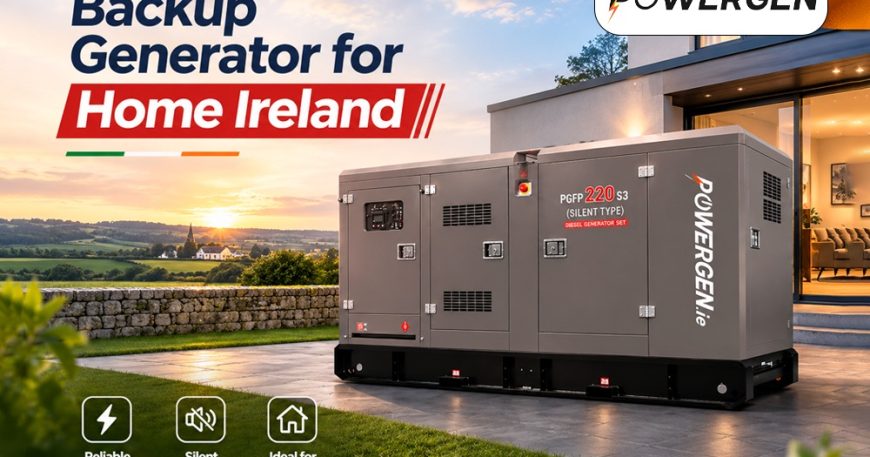
A backup generator for home Ireland is an important investment for homeowners who want a reliable electricity supply during unexpected power cuts. Across Ireland, severe weather conditions, strong winds, heavy rainfall and winter storms can cause electricity interruptions, leaving households without essential power. These interruptions can affect everyday activities, including heating, lighting, cooking, refrigeration, internet access and water supply.
Electricity plays an important role in modern homes. When the mains electricity supply fails, even a short power cut can create inconvenience. For rural properties, the situation can be more challenging because many households depend on electric water pumps, heating systems and other essential electrical equipment. Installing a suitable home backup generator can help reduce these problems by providing an alternative electricity source when the normal power supply is unavailable.
Whether you live in a rural farmhouse, a residential property or a larger family home, choosing the right generator can help you prepare for unexpected electricity interruptions. Understanding generator types, power capacity, fuel options and installation requirements will help you make the right decision for your household.
Why Do You Need a Backup Generator for Home Ireland?
Ireland experiences different weather conditions throughout the year, and winter storms can sometimes cause damage to electricity infrastructure. Fallen trees, damaged power lines and network faults can interrupt electricity supplies without warning. Although some outages are resolved quickly, others may take longer to restore, particularly in areas affected by severe weather.
A backup generator for home Ireland provides an additional source of electricity when the mains supply is interrupted. It allows homeowners to operate selected household appliances and maintain essential services during a power cut.
One of the main advantages of having a home generator is the ability to keep important equipment running. Refrigerators and freezers can continue protecting stored food, lighting can remain available, and internet equipment can help maintain communication. For homes that depend on electric pumps, a suitable generator can also support essential water supply systems.
Another important reason to consider a backup generator is preparation for winter. Rather than waiting until a power outage happens, homeowners can arrange their generator requirements in advance and ensure that suitable equipment is available when needed.
How a Home Backup Generator Keeps Your House Powered
A home backup generator produces electricity using an engine connected to an alternator. The engine generally operates using diesel or petrol, depending on the generator model. When the engine runs, the alternator converts mechanical energy into electrical energy that can supply compatible appliances and electrical circuits.
A backup generator can operate manually or automatically, depending on the installation and equipment selected. Portable generators generally require manual starting, while suitable standby generator systems can start automatically when the mains electricity supply fails.
A properly installed changeover switch transfers the selected household electrical circuits from the mains supply to the generator. When normal electricity returns, the system can safely transfer the circuits back to the mains.
This arrangement allows homeowners to maintain access to essential electricity without relying entirely on the public electricity network. However, generator capacity and the electrical installation must be suitable for the household’s requirements.
Different Types of Backup Generators for Home Ireland
Choosing the right generator starts with understanding the different types available. Every property has different electricity requirements, so the best solution depends on how much power you need, how frequently you expect to use the generator and whether you want a portable or permanently installed system.
Petrol Generators for Household Backup Power
Petrol generators are commonly used for smaller backup power requirements. They are available in different sizes and offer a flexible solution for homeowners who need electricity during occasional power interruptions.
These generators can operate selected household appliances, including lighting, refrigerators, televisions and smaller electrical devices, provided their combined power requirements are within the generator’s capacity.
Portable petrol generators are particularly useful for homeowners who do not require a permanently installed standby system. Their compact designs make them suitable for certain residential and temporary applications.
Before purchasing a petrol generator, consider its fuel consumption, operating time, noise level and maintenance requirements. It is also important to check whether the generator provides the correct electrical output for the appliances you intend to operate.
Diesel Generators for Home Backup
Diesel generators are another popular option for households requiring dependable backup electricity. They are available in different power capacities, making them suitable for smaller installations as well as larger properties with higher electrical requirements.
For rural homes, farms and properties that depend on several electrical systems, a diesel generator can provide a practical backup power solution. Depending on the model, diesel generators may also be available with soundproof enclosures designed to reduce operating noise.
When choosing a diesel generator, homeowners should consider the engine specification, fuel consumption, generator capacity, servicing requirements and installation location.
A properly selected diesel generator can support essential household equipment during unexpected power interruptions and provide additional flexibility for properties with demanding electricity requirements.
Standby Generators for Permanent Home Backup
Standby generators are designed for properties that require a more convenient backup electricity arrangement. Unlike portable generators, these systems are permanently installed in a suitable outdoor location and connected to the property’s electrical system through an appropriate transfer arrangement.
Depending on the system, a standby generator can automatically detect a mains power failure, start its engine and supply electricity to designated household circuits.
This option can be particularly useful for homeowners who want backup electricity without manually starting and connecting a generator during every outage.
Standby generator installations require proper electrical planning, suitable generator capacity and professional installation. The location must also provide adequate ventilation, safe exhaust clearance and access for maintenance.
Portable Generators for Emergency Electricity
Portable generators provide flexibility for homeowners who need temporary electricity during power cuts. They can be moved to an appropriate operating location and used to supply selected electrical equipment.
For smaller households, a portable generator may provide enough electricity for essential appliances such as refrigerators, lighting, internet routers and mobile charging equipment.
However, portable generators are not automatically suitable for supplying an entire house. Their output capacity, electrical connections and operating requirements must be considered before use.
Homeowners should also ensure that portable generators are operated outdoors and connected safely. Never connect a portable generator directly to a household wall socket to supply the property.
How to Choose the Best Backup Generator for Home Ireland
Selecting the right generator is not simply about purchasing the largest available model. The generator should match your household electricity requirements and provide sufficient capacity to operate the appliances you need during a power interruption.
Before purchasing a backup generator for home Ireland, consider the following factors.
1. Understand Your Household Electricity Consumption
Start by identifying which appliances you want to operate during an outage. Some homeowners only need electricity for essential equipment, while others may require backup power for several household systems.
Common household requirements include refrigerators, freezers, lighting, televisions, broadband routers, computers, water pumps and heating controls.
Check the electrical rating of each appliance and calculate the total power required when several items operate simultaneously.
It is also important to consider starting power. Appliances containing electric motors, including refrigerators and water pumps, may require additional electricity when starting. Your generator must be capable of handling these starting demands as well as the normal running load.
2. Select the Correct Generator Capacity
Generator capacity is generally measured in kilowatts (kW) or kilovolt-amperes (kVA). These measurements help determine how much electrical power a generator can provide.
A smaller property requiring electricity for basic lighting, refrigeration and internet equipment may need a different generator capacity from a large rural home with electric pumps, heating systems and additional appliances.
Choosing a generator with insufficient capacity can result in overloading, poor performance and unnecessary equipment problems. On the other hand, purchasing a generator that is significantly larger than your requirements may increase the initial cost and operating expenses.
A professional assessment of your household electrical load can help identify the most suitable generator size.
3. Consider Fuel Availability and Consumption
Fuel type is another important factor when choosing a home backup generator. Petrol and diesel generators have different operating characteristics, so your decision should depend on the expected usage and the manufacturer’s specifications.
Consider how frequently the generator may be required, how long it needs to operate and whether suitable fuel storage is available.
Fuel consumption generally changes depending on the generator’s load. Therefore, checking the manufacturer’s fuel consumption information at different operating loads can help you estimate running costs more accurately.
4. Check Generator Noise Levels
Noise is an important consideration when installing a generator near a residential property. A noisy generator can disturb household members and neighbouring properties, particularly when it operates during the evening or overnight.
If noise is a concern, consider an enclosed or soundproof generator. These models are designed to reduce operating noise compared with many open-frame alternatives.
Always check the manufacturer’s noise specifications and installation recommendations before purchasing.
5. Consider Voltage Regulation and Electrical Performance
Household electrical equipment requires an appropriate and stable electricity supply. Generator voltage regulation is therefore an important consideration when selecting backup equipment.
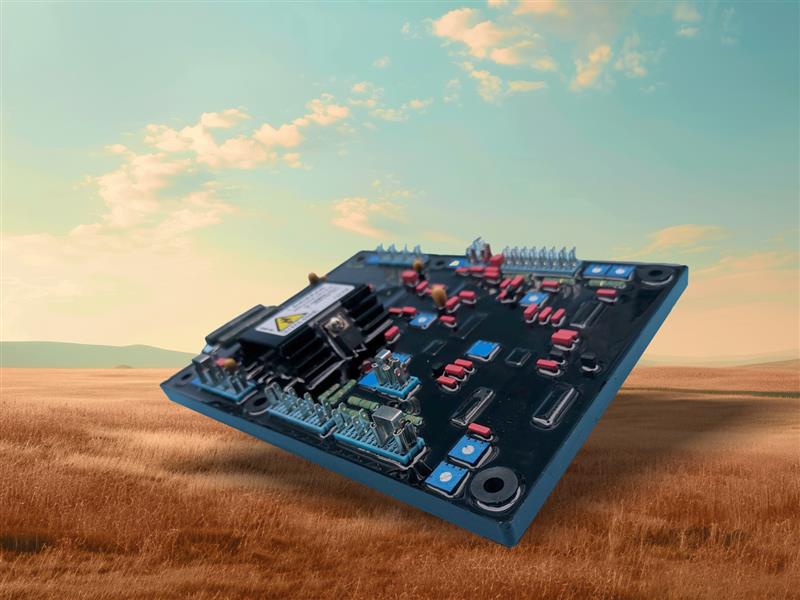
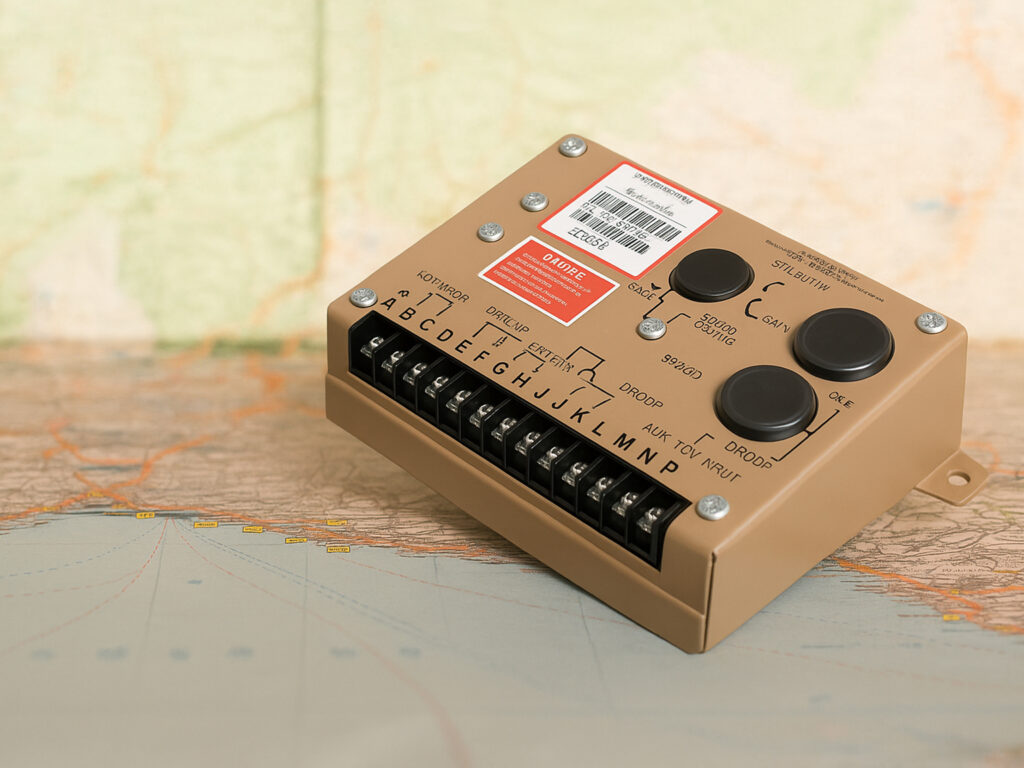
An Automatic Voltage Regulator (AVR) helps control generator output voltage as electrical loads change. It supports stable voltage delivery when the generator is operating within its designed limits.
PowerGen provides generator components and power generation products, including AVR equipment from recognised manufacturers.
Choosing suitable generator equipment with appropriate voltage regulation can help support reliable operation of compatible household appliances.
Which Household Appliances Can a Backup Generator Operate?
A properly sized backup generator for home Ireland can supply electricity to several essential household appliances during a power cut. However, the number of appliances that can operate simultaneously depends on the generator’s capacity and their individual electrical requirements.
For many households, the priority is to maintain essential services rather than operate every appliance in the property.
Refrigerators and Freezers
Refrigerators and freezers are among the most important appliances to consider when planning home backup power. A prolonged electricity interruption can affect stored food, particularly during warmer weather.
A suitable generator can help keep these appliances operating, provided it can handle their running and starting power requirements.
Lighting and Electrical Equipment
Lighting is essential for household safety and everyday activities. A generator can supply electricity to selected lighting circuits, allowing homeowners to maintain visibility throughout the property.
It can also support compatible televisions, computers, mobile chargers and other smaller electrical devices.
Heating Systems and Boilers
Many modern heating systems depend on electricity to operate controls, pumps and other components. Even when a heating system uses another fuel, it may still require electricity for normal operation.
A backup generator can help operate compatible heating controls and circulation pumps, provided the electrical requirements are within the generator’s capacity.
Water Pumps for Rural Properties
Water pumps are particularly important for many rural homes in Ireland. Properties using private wells or electric pumping systems may lose access to water when electricity fails.
A suitable generator can help maintain water pump operation during an outage. However, the starting power requirements of the pump must be included when calculating generator capacity.
Why Rural Homes in Ireland Need Reliable Backup Electricity
Rural households often have different electricity requirements from properties located in towns and cities. Many depend on electricity for water supply, heating systems, agricultural equipment, workshops and other essential services.
When the mains supply fails, these systems may become unavailable until electricity is restored.
For example, a farmhouse may require electricity for domestic lighting, refrigeration, water pumps and additional agricultural equipment. A rural workshop may also depend on electrical machinery and tools for daily activities.
A suitable backup generator for home Ireland can help rural homeowners maintain essential electrical services during unexpected interruptions.
Generator selection should take into account the full range of equipment that needs backup power. This is particularly important where domestic and agricultural electricity requirements are connected to the same property.
Prepare Your Home for Winter Power Cuts in Ireland
Winter is an important time for homeowners to review their backup electricity arrangements. Strong winds, heavy rainfall and severe weather can increase the risk of electricity interruptions in different parts of Ireland.
Preparing before winter arrives gives homeowners enough time to research generators, arrange electrical installation and check their equipment.
A reliable backup power arrangement can help support essential household appliances when the normal electricity supply is unavailable.
Before winter, homeowners should check the generator’s engine oil, fuel condition, battery, air filter and electrical connections. It is also important to test the generator according to the manufacturer’s recommendations.
If the generator has not been used for several months, arrange the necessary inspection and servicing before relying on it during an emergency.
Taking these steps can help reduce the possibility of unexpected generator problems during periods of severe weather.
Importance of Professional Generator Installation
Correct installation is essential for the safe operation of a home backup generator. A generator should never be connected directly to a household wall socket or used to feed electricity back into the public electricity network.
For a permanently connected home backup system, an appropriate changeover switch must be installed to isolate the property from the mains supply before the generator supplies household circuits.
Electrical installation should be completed by a Registered Electrical Contractor in accordance with the applicable Irish National Wiring Rules.
Generator positioning is equally important. Petrol and diesel generators produce exhaust gases, including carbon monoxide, which can be extremely dangerous.
Always operate generators outdoors in a suitable location, away from doors, windows and ventilation openings. Never operate a generator inside a house, garage, shed or enclosed building.
The installation location should also provide sufficient ventilation, safe exhaust clearance and suitable protection from weather without restricting airflow.
Following the manufacturer’s instructions and arranging professional installation helps protect your household and supports reliable generator operation.
How to Maintain a Backup Generator for Long-Term Reliability
Regular maintenance is essential for keeping your generator in good operating condition. A generator that remains unused for long periods still requires inspection and periodic testing to ensure that it is ready when needed.
Engine oil should be checked regularly and replaced according to the manufacturer’s servicing schedule. The air filter should also be inspected because accumulated dirt can affect engine performance.
For electric-start generators, battery condition is particularly important. A weak or discharged battery can prevent the generator from starting during an emergency.
Fuel quality and storage arrangements should also be checked. Follow the manufacturer’s recommendations for fuel storage, replacement and handling.
Electrical connections, cables and visible components should be inspected for signs of damage or wear. Any problems should be assessed by a qualified technician.
Periodic generator testing is another important part of maintenance. Running the generator according to the manufacturer’s instructions helps identify potential starting or operating problems before an actual power cut occurs.
Professional servicing can also help identify issues with the engine, alternator, AVR, cooling system and other important components.
Why Choose PowerGen for Power Generation Solutions in Ireland?
When searching for a backup generator for home Ireland, choosing a knowledgeable power generation supplier can make the purchasing process easier. Understanding generator capacity, electrical requirements and available equipment is important when selecting the right solution for your property.
PowerGen, operated by On Site Power Generation Ltd., provides power generation equipment and related services to customers across Ireland. Based in Ballycorboys, Killinick, Co. Wexford, PowerGen supports different power generation requirements through its range of products and services.
New Generators for Different Power Requirements
PowerGen offers power generation equipment for different applications, including residential, agricultural, commercial and industrial requirements.
Whether you need a generator for essential household backup or a larger power solution for a rural property, choosing equipment according to your electrical requirements is important.
Used Generators for Affordable Power Solutions
For customers looking for an alternative to purchasing new equipment, used generators can be another option worth considering.
A suitable used generator can provide a practical power generation solution for different applications. However, its condition, service history, engine performance and electrical output should always be checked before purchasing.
Visit PowerGen’s Used Generators page to explore available equipment.
Generator Hire for Temporary Electricity Requirements
Some customers may require additional electricity only for a limited period. Generator hire can provide a practical alternative when purchasing a generator is not necessary.
PowerGen offers generator hire solutions with equipment ranging from 20 kVA to 250 kVA for different applications, including construction, events, manufacturing and temporary power requirements.
Generator Maintenance and Repairs
Regular servicing helps maintain generator performance and identify potential problems before they lead to equipment failure.
PowerGen provides generator maintenance and repair services to support customers with their power generation equipment.
Whether you operate a new generator or an existing unit, appropriate maintenance is important for long-term reliability.
When Is the Right Time to Buy a Backup Generator for Your Home?
The best time to purchase a home backup generator is before you experience a major electricity interruption. Waiting until severe weather causes widespread power cuts can make it more difficult to research equipment and arrange installation.
Homeowners should consider a generator if they experience frequent power interruptions, live in rural areas, depend on electric water pumps or require electricity for essential heating and household equipment.
It is also worth considering if you work from home and need to maintain access to computers, broadband and communication equipment during unexpected outages.
Planning ahead allows you to compare different generator options, calculate your electricity requirements and arrange a suitable installation.
Rather than selecting a generator based only on its price, focus on its capacity, reliability, fuel requirements, maintenance needs and suitability for your property.
Frequently Asked Questions About Backup Generator for Home Ireland
1. What is the best backup generator for home Ireland?
The best backup generator depends on your household electricity requirements, property size and expected usage. Petrol generators may suit smaller backup requirements, while diesel and standby generators can be suitable for larger properties. Before purchasing, calculate the power required by your essential household appliances and compare suitable generator options.
2. What size backup generator do I need for my home?
The correct generator size depends on the total electrical load of the appliances you want to operate. Refrigerators, freezers, lighting, heating controls and water pumps all have different power requirements. You should also consider the additional starting power required by appliances containing electric motors before selecting a generator.
3. Is a diesel generator suitable for home backup in Ireland?
Yes, diesel generators can provide a suitable backup electricity solution for Irish homes, particularly larger properties and rural households. They are available in different capacities and can support various electrical requirements. Consider fuel consumption, noise levels, servicing requirements and installation arrangements when choosing a diesel generator.
4. Can I use a portable generator to power my house?
A portable generator can supply electricity to selected household appliances when its capacity is sufficient. However, supplying household circuits requires an appropriate electrical connection and changeover arrangement installed by a Registered Electrical Contractor. Never connect a generator directly to a normal household wall socket.
5. How long can a home backup generator operate?
The operating time depends on the generator model, fuel tank capacity, electrical load and engine specifications. Running a generator at a higher load generally increases fuel consumption. Always follow the manufacturer’s recommendations for operating hours, refuelling, servicing and maintenance.
6. How often should I maintain my home backup generator?
Generator maintenance should follow the manufacturer’s recommended service schedule. Regular checks should include engine oil, air filters, fuel condition, battery performance and electrical connections. Periodic testing is also important to ensure the generator can start and operate correctly when an unexpected power interruption occurs.
7. Is a backup generator useful for rural homes in Ireland?
Yes, a backup generator can be particularly useful for rural homes that depend on electricity for water pumps, heating controls, refrigeration and other essential equipment. A properly sized generator can help maintain these services during an electricity interruption and reduce disruption to everyday household activities.
Choose the Right Backup Generator for Home Ireland with PowerGen
Unexpected power cuts can affect household comfort, daily routines and essential electrical equipment. Having a suitable backup electricity solution helps homeowners prepare for these situations and reduce dependence on the normal mains electricity supply.
Choosing the right backup generator for home Ireland requires careful consideration of generator capacity, fuel type, electrical requirements, operating noise and maintenance. Whether you need a portable generator for essential appliances or a larger diesel generator for a rural property, selecting equipment that matches your requirements is essential.
PowerGen provides power generation solutions, including new generators, used generators, generator hire, maintenance and repairs for customers across Ireland.
Visit PowerGen.ie to explore available power generation equipment and find a suitable solution for your requirements.