
Power generator for home is a practical way to maintain essential electricity when the mains power supply is interrupted. For homeowners across Ireland, unexpected power cuts caused by storms, strong winds, network faults and other electrical issues can affect heating, lighting, refrigeration, internet connections, security systems and everyday household activities. A reliable home generator can provide backup electricity and help keep important equipment operating when you need it most.
At PowerGen, we supply a range of reliable generator solutions for homes, farms, businesses and other applications across Ireland. With different generator capacities and configurations available, homeowners can choose a solution based on their property’s electricity requirements and the appliances they need to keep running during a power outage.
Why Do You Need a Power Generator for Home?
Electricity is essential for modern homes. Many household systems depend on a continuous power supply, including heating controls, refrigerators, freezers, lighting, internet equipment, pumps and security systems. Even a relatively short power cut can cause inconvenience, while a longer interruption can create more serious problems.
A power generator for home provides an alternative source of electricity when mains power is unavailable. Instead of waiting for the electricity supply to return, a suitable generator can provide backup power for selected essential circuits or, depending on the system capacity, a much larger part of the property.
This can be particularly useful for rural homes, farms and properties located in areas where electricity interruptions may occur during severe weather. A generator can also be valuable for homeowners who work from home and rely on computers, internet connections and other electrical equipment.
Power Generator for Home During Irish Weather and Power Cuts
Ireland’s weather can change quickly, and strong winds and storms can sometimes cause interruptions to electricity supplies. During severe weather, fallen trees, damaged infrastructure and network faults can result in temporary power outages.
For this reason, having a power generator for home can provide an additional level of preparedness. A properly installed backup generator can help supply electricity to important household systems during an outage.
For example, homeowners may want to keep refrigerators and freezers operating to protect food, maintain heating controls during cold weather, keep lights available throughout the property, or continue using internet and communication equipment.
A home generator does not prevent a power cut, but it can reduce the disruption caused by an interruption to the mains supply.
What Can a Power Generator for Home Run?
The equipment a generator can operate depends on its capacity and the electrical load connected to it. Not every home requires enough generator capacity to operate every appliance simultaneously.
Many homeowners choose to prioritise essential equipment such as:
- Refrigerators and freezers
- Central heating controls
- Heating pumps
- Lighting
- Internet routers and networking equipment
- Security alarms and CCTV systems
- Water pumps
- Home office equipment
- Selected kitchen appliances
- Garage doors and other essential electrical systems
Larger generators may be capable of supporting additional household circuits. However, the generator needs to be correctly sized according to the total electrical demand of the property.
It is important to consider both the normal running power of an appliance and its starting or surge demand. Some equipment, particularly motors, pumps and compressors, can require considerably more power when starting.
How to Choose the Right Power Generator for Home
Choosing a power generator for home should start with understanding how much electricity you actually need during an outage. The biggest generator is not necessarily the right generator for every property.
First, consider which appliances and systems are essential. You may only want backup electricity for lighting, refrigeration, heating controls and internet equipment. Another homeowner may require power for water pumps, workshops, farm equipment or a home office.
Generator capacity is generally measured in kVA or kW. The required size depends on the combined electrical load and the starting requirements of connected equipment.
Other factors should also be considered, including:
Generator Capacity
The generator must have sufficient capacity to handle the electrical load you intend to connect. Choosing a unit with insufficient capacity can cause overloads and affect generator performance.
Fuel Type
Diesel generators are widely used for backup and standby applications because of their durability and suitability for longer operating periods. The appropriate fuel type depends on the application, installation and homeowner requirements.
Automatic or Manual Operation
Some home backup systems can be configured to operate automatically when mains electricity fails. Other generators require the user to start and connect the generator manually. The appropriate arrangement depends on the property and installation.
Installation Location
The generator needs to be positioned in an appropriate location with adequate ventilation and safe clearance. Exhaust gases must be safely managed, and the installation should comply with applicable electrical and safety requirements.
Noise
Noise can be an important consideration for residential properties. Generator enclosure and installation arrangements can influence the sound level experienced around the property.
Diesel Power Generator for Home Use
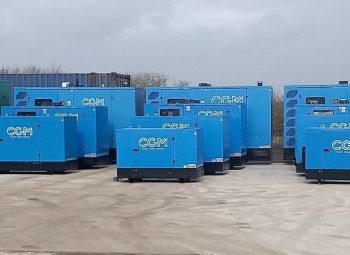
A diesel power generator for home can be suitable for homeowners looking for dependable standby electricity. Diesel generator sets are available in a wide range of capacities, allowing them to be used for everything from smaller backup requirements to larger residential and commercial applications.
Diesel generators are commonly used where reliability and extended operation are important. They can also be suitable for rural properties, farms and larger homes with higher electrical requirements.
However, the generator should always be selected according to the property’s actual requirements. A professional assessment can help determine the appropriate generator size, fuel requirements and installation arrangement.
PowerGen supplies generator solutions for a wide range of applications and can assist customers in Ireland with generator sales, servicing and related equipment.
Standby Power Generator for Home
A standby generator is designed to remain available until backup power is required. Unlike a generator used only occasionally for temporary applications, a standby system is intended to provide a dependable backup electricity source when the normal supply is interrupted.
A standby power generator for home can be connected to the property’s electrical system through suitable switching equipment. Depending on the installation, the system may detect a mains power failure and start the generator automatically.
This type of setup can be particularly convenient for homeowners who want backup power without having to manually start and connect a generator whenever an outage occurs.
Automatic standby systems are generally more involved than portable generator arrangements, so professional installation and correct system sizing are important.
Portable Generator or Permanent Home Generator?
Both portable and permanently installed generators can provide backup electricity, but they serve different purposes.
A portable generator can be useful when temporary backup power is required. It may be moved between locations and can be suitable for specific applications, provided it is operated safely and connected correctly.
A permanently installed home generator is designed as part of a property’s backup power system. It can offer a more convenient solution for homeowners who want reliable standby electricity available whenever a mains outage occurs.
The right option depends on the property, required power capacity, frequency of outages, available installation space and the level of convenience required.
Power Generator for Home and Essential Appliances
One of the main advantages of installing a home generator is the ability to prioritise essential electrical equipment during a power cut.
For example, keeping a refrigerator and freezer running can help prevent food from spoiling during a prolonged outage. Maintaining heating controls and pumps can be particularly important during colder periods, while backup lighting can make it easier to move safely around the property.
For homeowners working remotely, a generator can also help maintain power for computers, monitors, internet routers and other office equipment.
Security systems are another consideration. CCTV cameras, alarms, electric gates and other security equipment may depend on electricity, making backup power useful for maintaining these systems during an outage.
Home Generator for Rural Properties and Farms
A power generator for home can be particularly useful for rural properties where electricity is essential for both household and agricultural activities.
Farms and rural properties may rely on electricity for water pumps, refrigeration, heating systems, livestock-related equipment, workshops and other essential operations. A power interruption can therefore affect more than just normal household activities.
PowerGen also supplies PTO generators and other generator solutions that can be used for agricultural and rural applications. The appropriate generator depends on whether backup power is required for the house, farm equipment, workshop or a combination of electrical loads.
Automatic Generator Systems for Home Backup
An automatic generator system can provide additional convenience by reducing the need for manual intervention during a power cut.
When the mains supply fails, an appropriately configured automatic standby system can detect the interruption and initiate the backup power sequence. When the mains supply returns, the system can transfer the load back to the normal electricity supply and stop the generator according to its control settings.
Automatic operation can be particularly useful when homeowners are away from the property. However, automatic generator systems require suitable electrical equipment, controls and professional installation.
Generator Controllers and Battery Chargers
A reliable home generator depends on more than the engine and alternator. Control and supporting components also play an important role in generator operation.
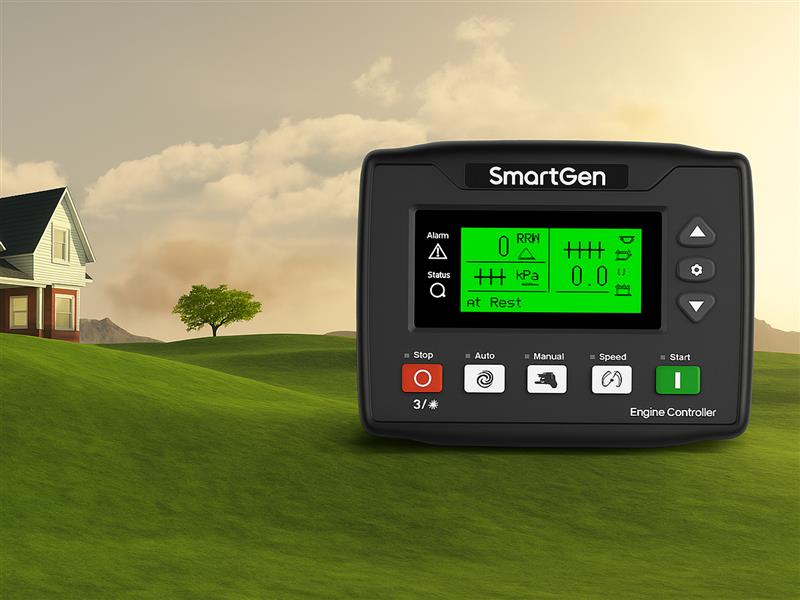
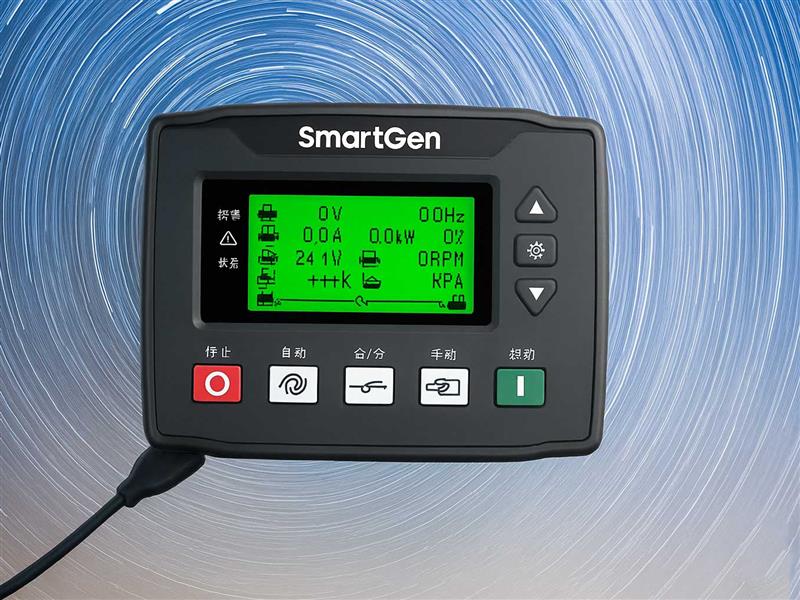
A genset controller can monitor important generator functions and provide information about the generator’s operating condition. Depending on the controller, it may monitor parameters such as voltage, frequency, engine conditions, alarms and shutdown functions.
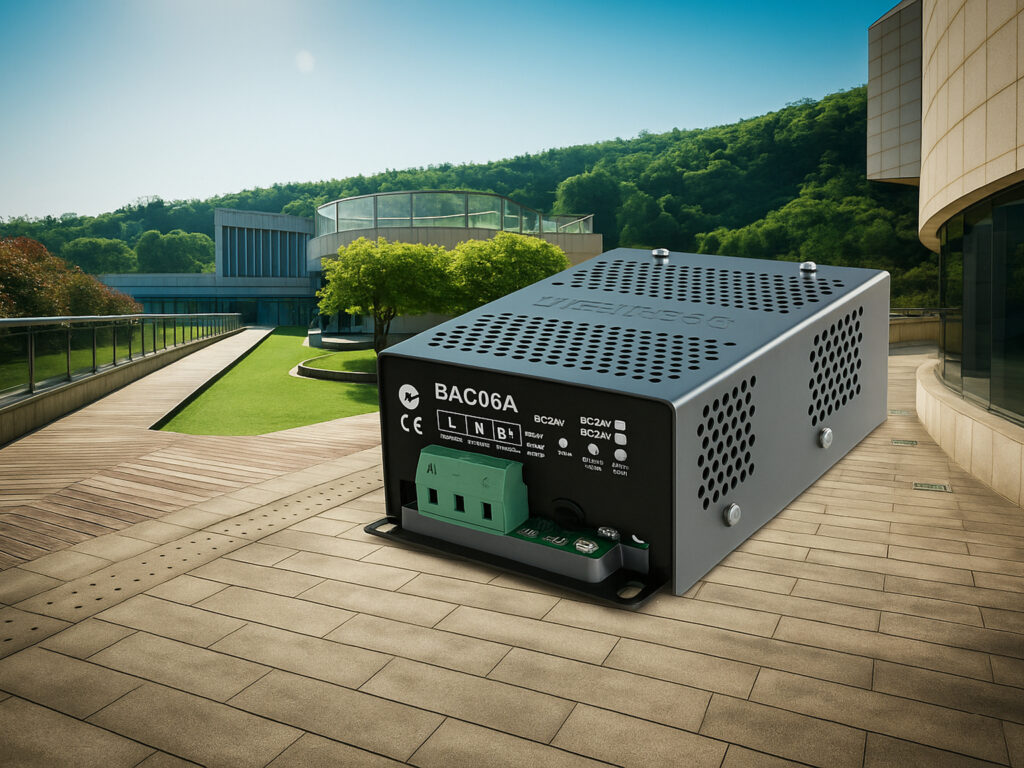
The starting battery is also important. An automatic battery charger can maintain the generator’s battery while the generator is on standby, helping keep the starting system ready for operation.
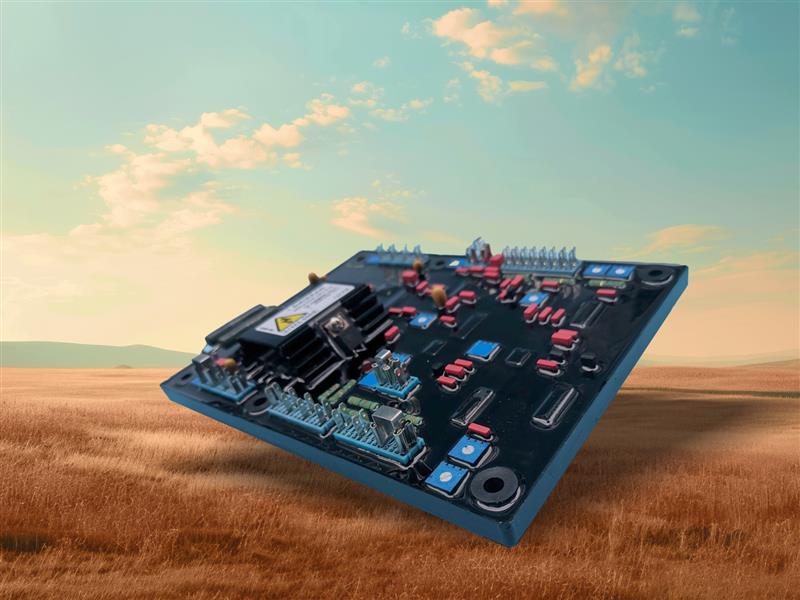
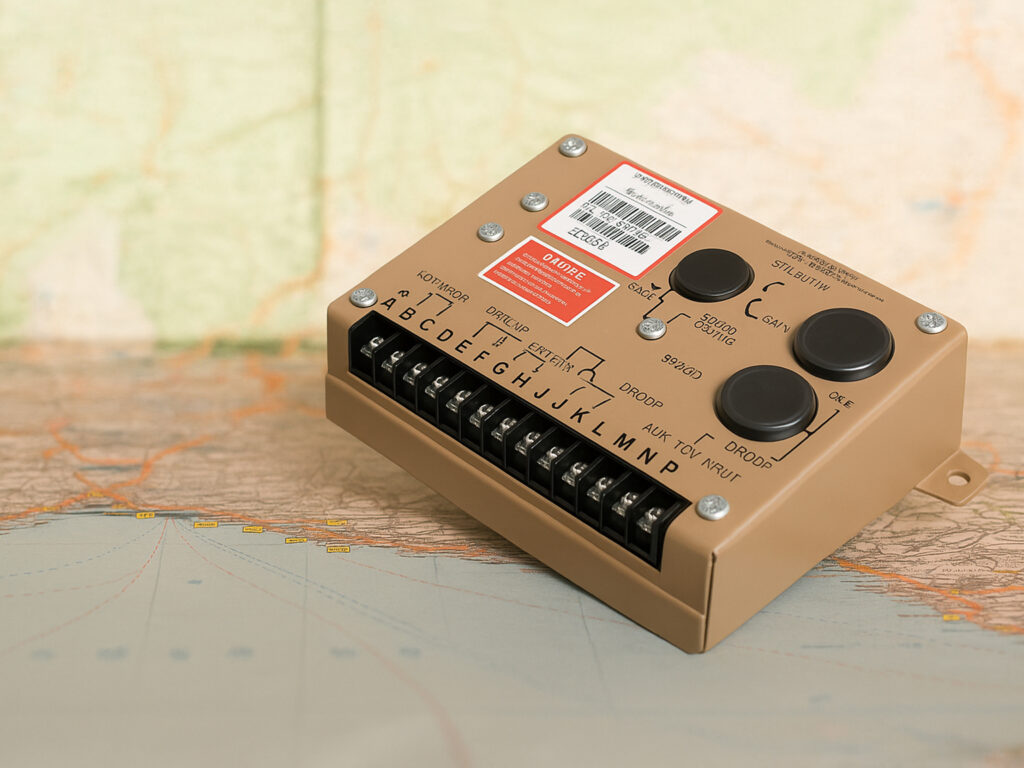
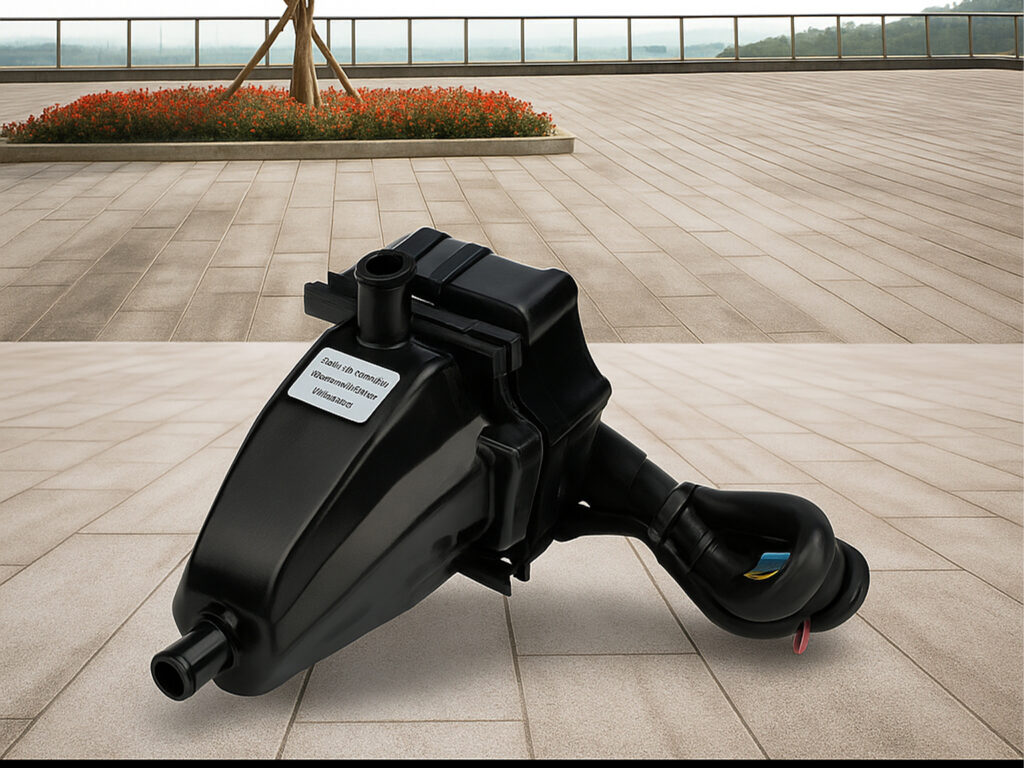
PowerGen supplies generator components including genset controllers, automatic battery chargers, automatic voltage regulators (AVRs), engine controllers, speed controllers and water heaters.
These components can be used across different generator systems depending on the generator model and application.
Home Generator Installation and Electrical Safety
Correct installation is one of the most important parts of using a power generator for home. A generator should never be connected to a home’s electrical system incorrectly.
Improper connections can create dangerous electrical conditions, including the possibility of electricity being fed back into the mains network. This can present serious risks to electrical workers and other people.
A permanent generator installation should therefore be designed and completed by suitably qualified professionals. The installation should consider electrical switching, generator location, ventilation, exhaust gases, fuel storage, earthing, cable requirements and other applicable safety considerations.
Portable generators also require careful handling. They should be operated outdoors in a suitable, well-ventilated location and never used inside a house, garage or enclosed area because of the danger from engine exhaust gases.
Why Generator Maintenance Matters
A generator may remain unused for long periods, but it needs to be ready when a power cut occurs. Regular maintenance and testing are therefore important.
Generator servicing can include inspections of the engine, oil, coolant, filters, battery, fuel system, electrical connections and control equipment. Regular testing can also help identify issues before an emergency occurs.
PowerGen provides generator maintenance and repair services, helping customers keep their generator equipment operating reliably.
For homeowners, scheduled servicing can provide greater confidence that their power generator for home will be ready when mains electricity is unavailable.
How Much Does a Power Generator for Home Cost?
The cost of a power generator for home can vary considerably depending on the generator’s capacity, engine, alternator, control system, enclosure and installation requirements.
A small generator designed to operate a few essential appliances will have different costs from a larger standby system designed to support a significant proportion of the property’s electrical demand.
Installation can also influence the total project cost. Automatic transfer equipment, cabling, fuel arrangements, acoustic enclosures and other requirements may need to be considered.
Instead of choosing a generator based solely on the initial purchase price, homeowners should consider the generator’s capacity, reliability, maintenance requirements, fuel consumption and expected operating conditions.
Why Choose PowerGen for a Home Generator in Ireland?
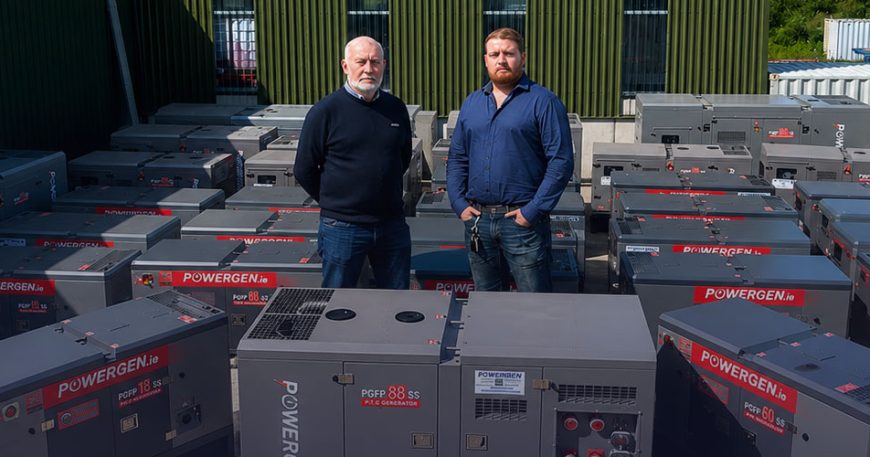
PowerGen, operated by On Site Power Generation Ltd., provides generator solutions for customers across Ireland. The company supplies generators for residential, agricultural, commercial, industrial and other applications.
From new generators and used generators to generator hire, servicing, repairs and generator components, PowerGen offers a range of solutions for different power requirements.
If you are looking for a power generator for home, the team can help you understand the available generator options and determine a suitable solution based on your property’s requirements.
Get the Right Power Generator for Your Home
A power generator for home can be an important backup solution for protecting essential electrical systems during an unexpected power cut. Whether you need electricity for refrigeration, heating, lighting, security, internet equipment or other household systems, selecting the correct generator capacity is essential.
The right generator depends on your home’s electrical requirements, the equipment you want to operate, the expected duration of backup operation and the type of installation you need.
PowerGen provides generator sales, hire, servicing, repairs and generator equipment throughout Ireland. If you are considering a home backup generator, contact PowerGen to discuss your requirements and find a suitable generator solution for your property.
Frequently Asked Questions About Power Generators for Home
1. What is a power generator for home?
A power generator for home is a backup electricity system that supplies power when the normal mains electricity supply is unavailable. Depending on its size and installation, it can provide electricity for essential appliances such as lighting, refrigeration, heating controls, internet equipment and security systems.
2. What size power generator do I need for my home?
The required generator size depends on the appliances and electrical systems you want to operate during a power cut. You should calculate their running and starting power requirements before selecting a generator. A qualified generator specialist can assess your electrical load and recommend an appropriate generator capacity.
3. Is a diesel generator suitable for home backup?
Yes, a diesel generator can be used for residential backup power where its capacity and installation are suitable. Diesel generators are available in different sizes and can provide dependable standby power. The correct generator should be selected according to the property’s electrical demand and intended operating requirements.
4. Can a generator power my entire house?
A suitably sized generator can potentially supply a large part or the entire electrical load of a home, depending on the property’s requirements and installation. However, the generator must have sufficient capacity and be connected through an appropriate electrical system by a qualified professional.
5. How often should a home generator be serviced?
Generator servicing requirements depend on the generator model, operating hours and manufacturer’s recommendations. Regular inspections, testing and scheduled maintenance are important even when the generator is used infrequently. Maintaining the battery, engine, fuel system, filters and electrical components helps keep the generator prepared for unexpected power cuts.