

A generator is your first line of defence during unexpected power outages, but its reliability depends on one critical component—the battery. Even the most advanced generator cannot provide backup power if the battery is weak or completely discharged. This is why an automatic battery charger is an essential addition to any generator system. It continuously monitors the battery, maintains the correct charge level, and ensures your generator is always ready to start when needed. Whether you rely on backup power for your home, business, farm, or industrial facility, installing an automatic battery charger provides greater reliability, longer battery life, and peace of mind.
What Is an Automatic Battery Charger?
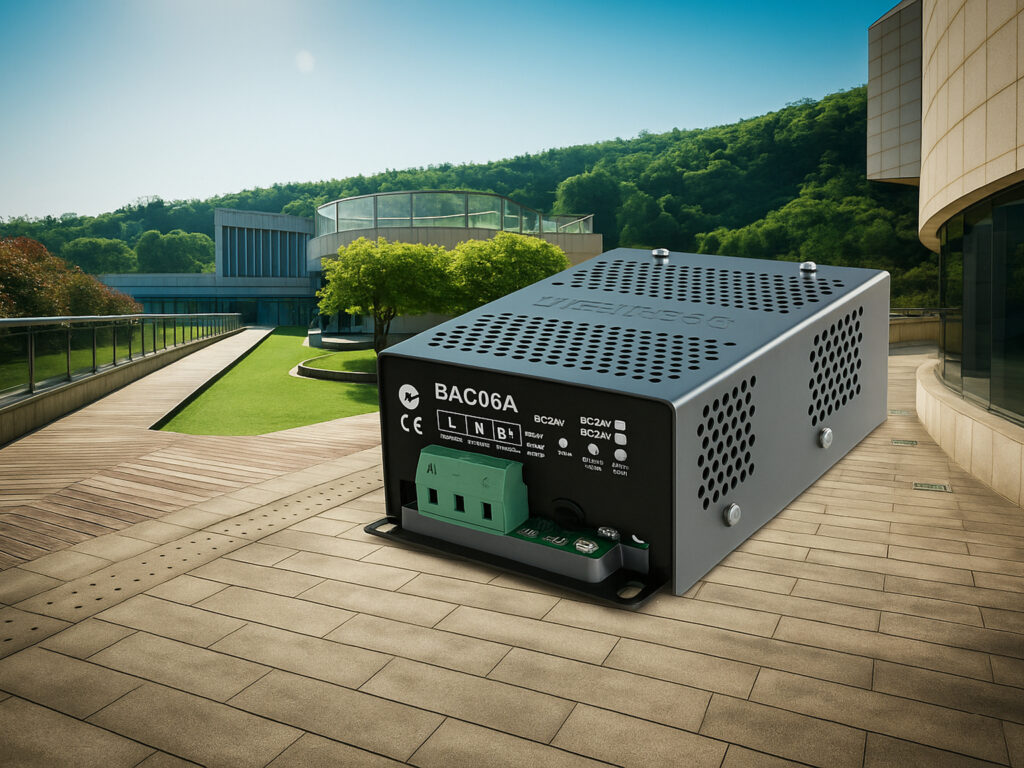
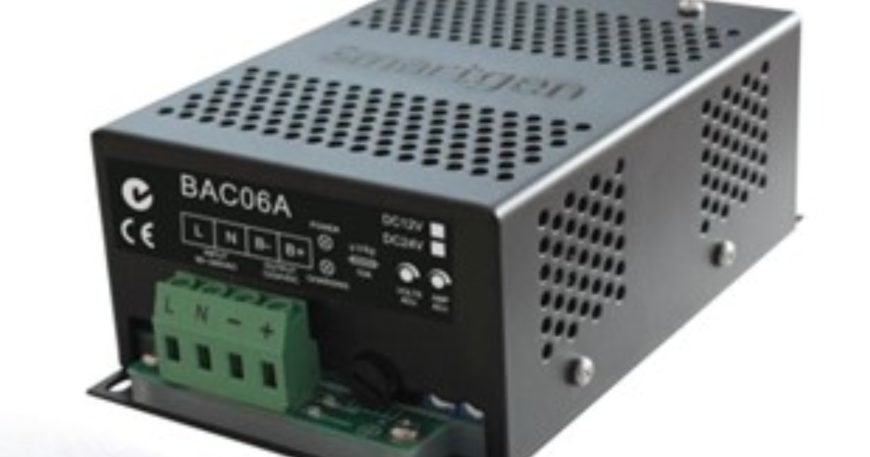
An automatic battery charger is a smart charging device designed to maintain generator batteries without requiring constant manual attention. Unlike traditional battery chargers that continue charging until disconnected, an automatic charger detects the battery’s condition and adjusts its charging output accordingly. Once the battery reaches full capacity, it automatically switches to maintenance or float mode to prevent overcharging. This intelligent charging process keeps the battery healthy, extends its lifespan, and ensures it remains fully charged even during long periods of generator inactivity.
Why Is an Automatic Battery Charger Essential for Your Generator?
Standby generators often remain unused for weeks or months, especially in locations where power outages are infrequent. During this time, batteries naturally lose charge due to self-discharge, environmental conditions, and electrical loads within the generator system. If the battery is not properly maintained, it may fail to start the generator during an emergency. This ensures your generator is always prepared to deliver dependable backup power whenever it is needed.
How Does an Automatic Battery Charger Work?
An automatic battery charger operates using intelligent charging technology that constantly monitors battery voltage. When the battery’s charge level begins to fall, the charger automatically supplies the appropriate charging current. As the battery approaches full charge, the charger gradually reduces the charging rate before switching to maintenance mode. This process prevents overcharging, reduces heat build-up, and protects the battery from unnecessary wear. Because the charger only delivers power when required, it helps maximise battery efficiency while reducing maintenance requirements.
Benefits of Using an Automatic Battery Charger
Installing an automatic battery charger offers significant advantages for generator owners. It improves battery reliability by ensuring the battery remains fully charged and ready for operation at all times. The intelligent charging process helps extend battery life by preventing overcharging and deep discharge, reducing the need for costly replacements. Automatic chargers also minimise maintenance because users no longer need to manually check and recharge the battery. In addition, modern chargers include built-in safety features such as short-circuit protection, reverse polarity protection, and overload protection, ensuring safe and efficient operation in a wide range of environments.
Choosing the Right Automatic Battery Charger
The charger should match the battery voltage and charging capacity recommended by the generator manufacturer. It is also beneficial to choose a charger with intelligent multi-stage charging, automatic float mode, and comprehensive safety protections. Durable construction, efficient power consumption, and compatibility with various battery types are additional factors that contribute to long-term performance. Investing in a quality charger helps reduce maintenance costs while ensuring your backup power system remains dependable.
Applications of Automatic Battery Chargers
An automatic battery charger is suitable for a wide variety of generator installations and backup power systems. They are commonly used in residential standby generators, commercial buildings, agricultural equipment, construction sites, telecommunications infrastructure, healthcare facilities, manufacturing plants, and emergency response systems. Wherever reliable power is essential, an automatic battery charger helps ensure the generator is always ready to perform without unexpected battery failures.
Why Choose PowerGen for Automatic Battery Chargers?
At PowerGen, we provide high-quality automatic battery charger solutions designed to keep generator batteries operating at peak performance. Our range of chargers combines advanced charging technology with dependable safety features to deliver reliable performance across residential, commercial, agricultural, and industrial applications. Whether you need a charger for a small standby generator or a large industrial power system, our experienced team can help you choose the right solution to meet your specific requirements.
Conclusion
An automatic battery charger is one of the most valuable investments you can make to improve the reliability of your generator. By automatically maintaining the correct battery charge, it helps prevent unexpected starting failures, extends battery life, and reduces maintenance requirements. Whether your generator is used for emergency backup or continuous power applications, a high-quality automatic battery charger ensures your system remains prepared for every power outage. At PowerGen, we offer dependable charging solutions that help keep your generator ready whenever reliable power matters most.
Frequently Asked Questions
1. What is an automatic battery charger?
An automatic battery charger is a smart device that keeps a generator battery fully charged by monitoring its voltage and adjusting the charging process automatically. Once the battery reaches full capacity, it switches to maintenance mode to prevent overcharging, helping extend battery life while ensuring the generator is always ready to start.
2. Why should I install an automatic battery charger on my generator?
Installing an automatic battery charger ensures your generator battery remains fully charged during periods of inactivity. It reduces the risk of battery failure, prevents unexpected starting problems during power outages, extends battery life, and minimises maintenance, making your backup power system more reliable and efficient throughout the year.
3. Can an automatic battery charger improve battery life?
Yes. An automatic battery charger helps extend battery life by supplying only the required charging current and automatically switching to float mode when the battery is fully charged. This prevents overcharging, reduces battery stress, and protects the battery from premature wear, resulting in improved long-term performance and reliability.
4. Are automatic battery chargers suitable for all generators?
Most automatic battery chargers are compatible with a wide range of diesel and petrol generators, provided the charger matches the battery voltage and capacity. They are commonly used in residential, commercial, agricultural, industrial, and standby generator applications where maintaining battery readiness is essential for dependable backup power.
5. How often should I check my automatic battery charger?
Although an automatic battery charger operates without constant supervision, it is recommended to inspect the charger and battery during routine generator maintenance. Checking cable connections, battery terminals, and charger indicators every few months helps ensure the charging system continues operating correctly and your generator remains ready for emergencies.